Thailand Visa Requirements: Entry, TDAC and Long Stays
Thailand visa requirements explained clearly: visa-free stays, TDAC, extensions, longer-stay visas and 90-day reporting before you enter Thailand.
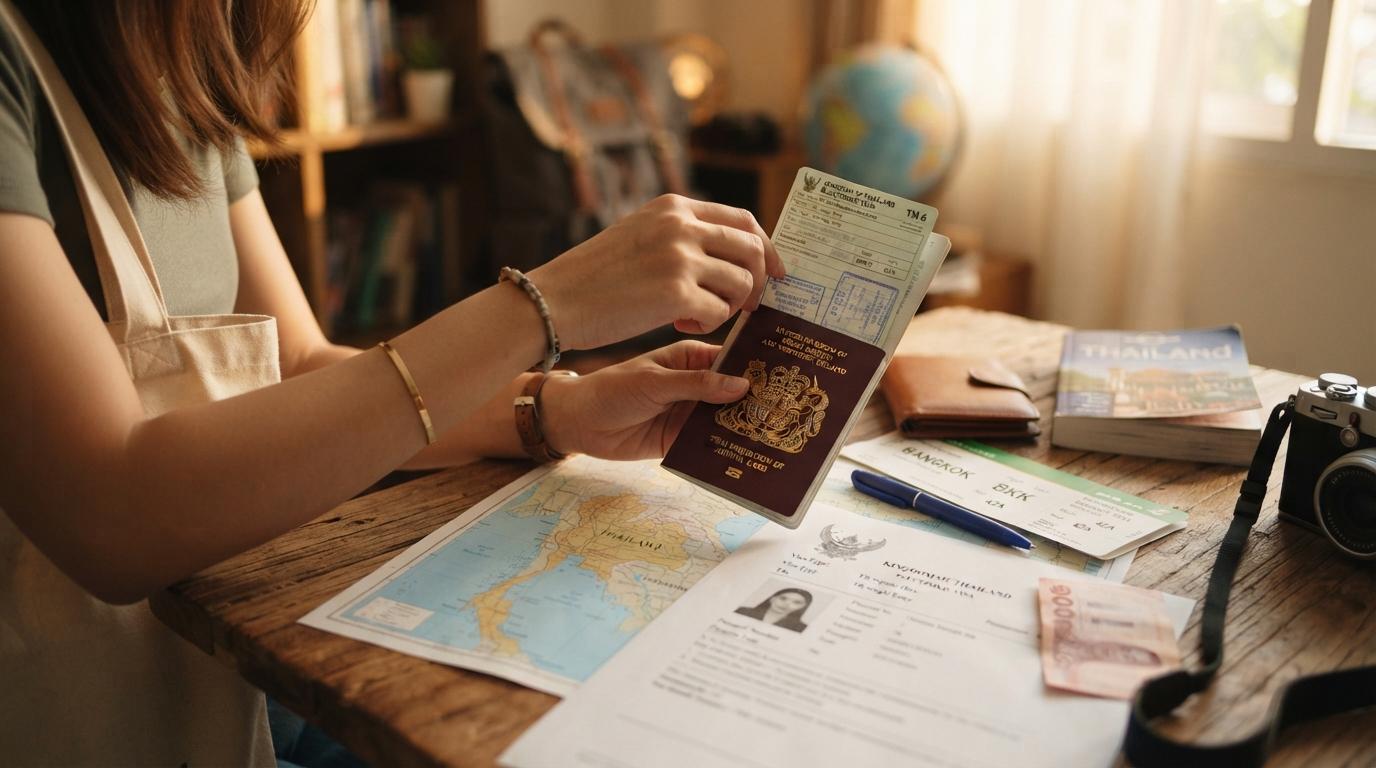
Thailand has several entry options for tourists and longer-stay visitors. These Thailand visa requirements depend on your passport, travel purpose, arrival method and planned length of stay.
Explore Thailand Tours
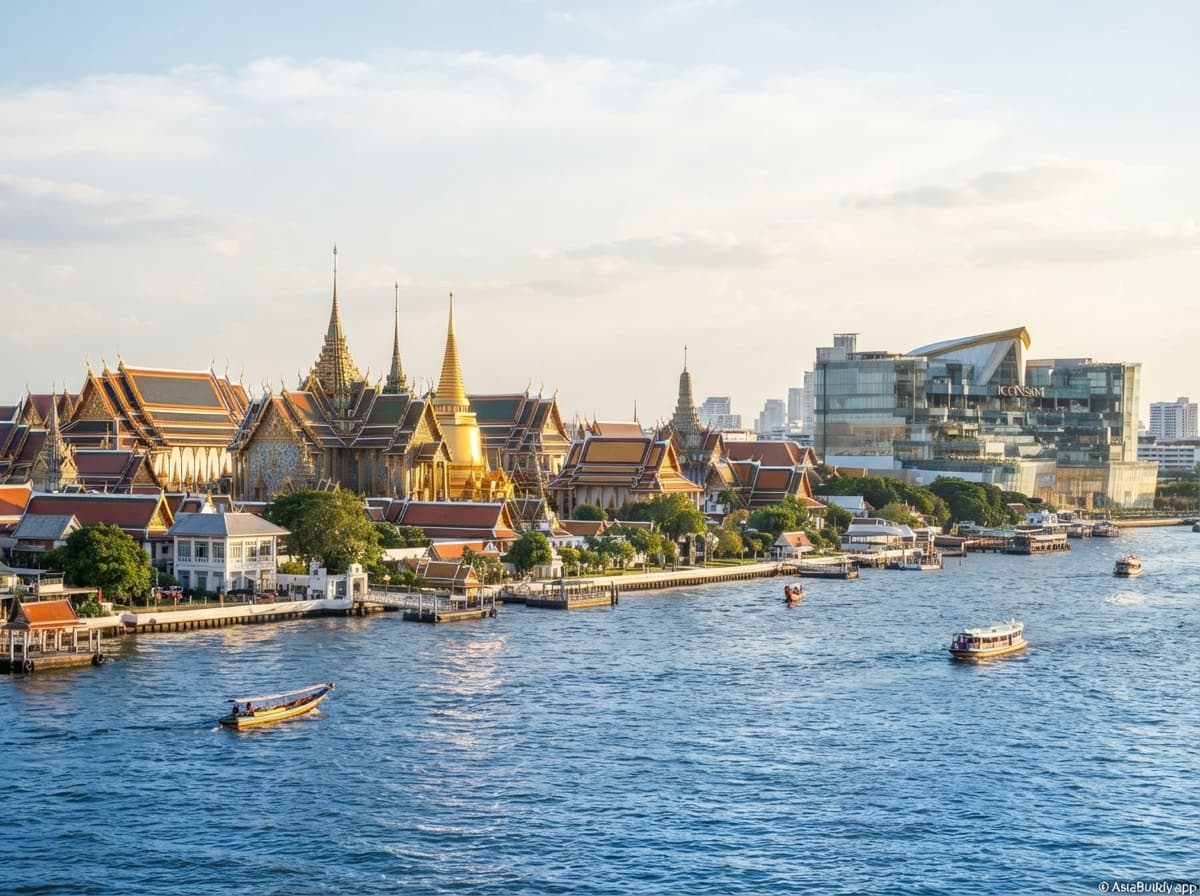
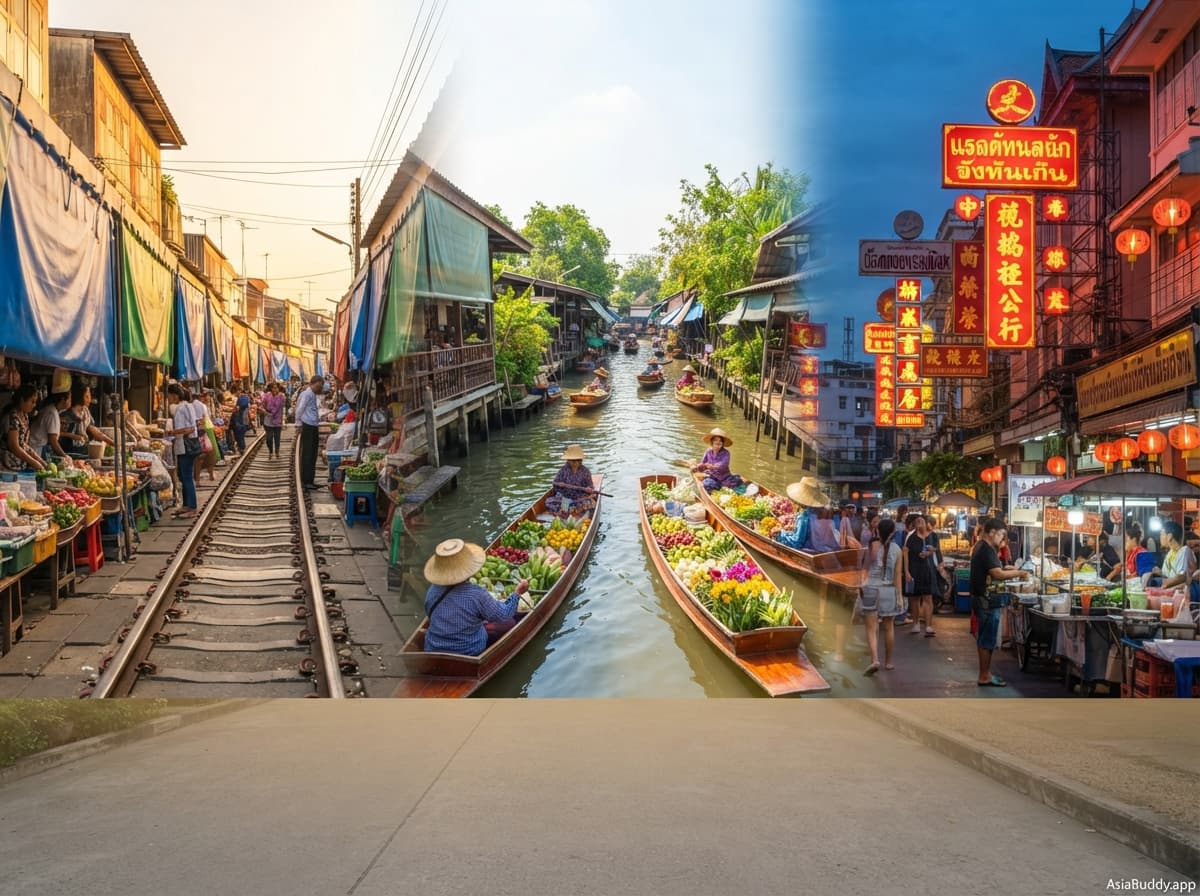

The rules in this guide include visa exemption, Visa on Arrival, the Thailand Digital Arrival Card, extensions and 90-day reporting. Check the latest guidance from the Thailand Immigration Bureau before you travel, since nationality rules can change.
Thailand visa requirements for tourists
![Traveler presenting a passport at a Thailand immigration counter]
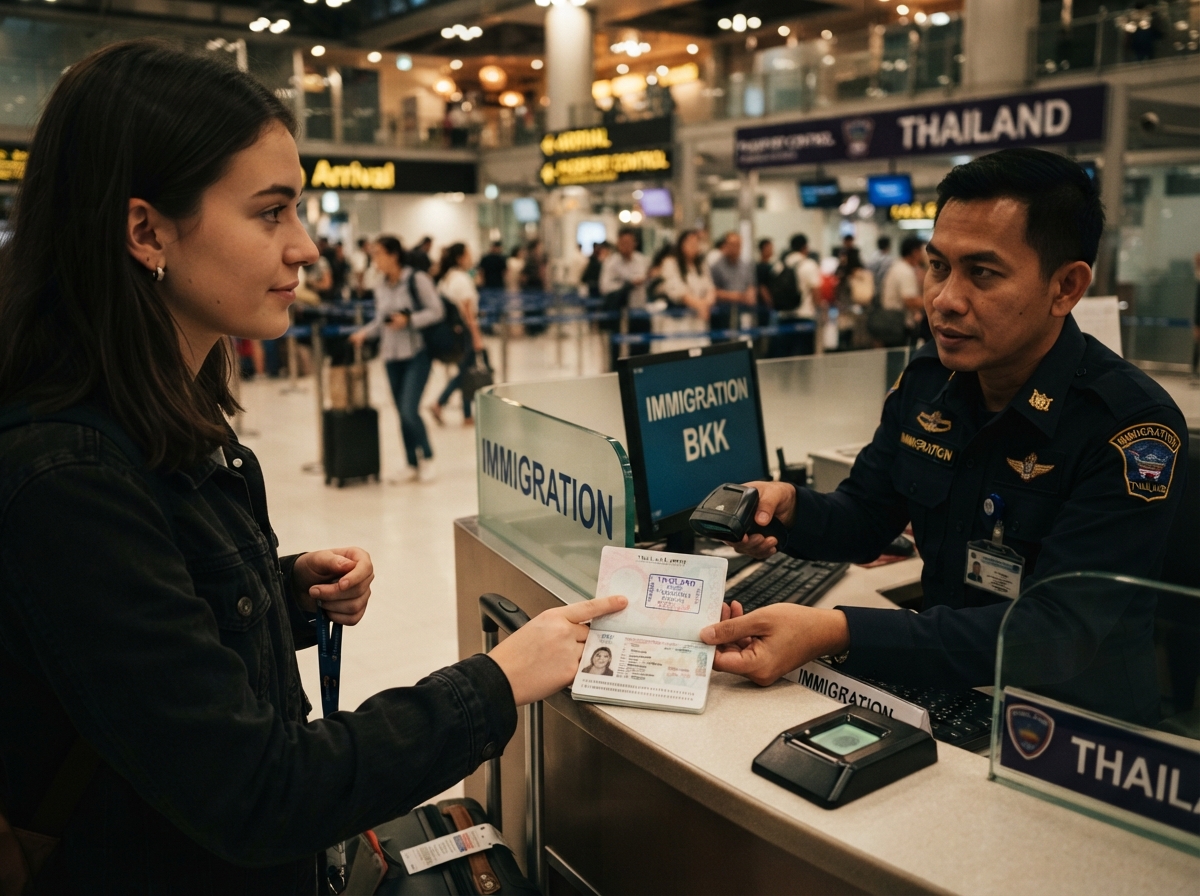
Thailand visa requirements depend on your nationality and purpose of travel. Many tourists can enter without applying for a visa before departure, but the permitted stay is not the same for every passport.
Quick answer: Thailand visa requirements for most tourists mean a visa-free stay of up to 30 days, with a possible 30-day extension at immigration for 1,900 THB. From 15 September 2026, several nationalities face updated entry rules, so confirm your passport category before you book.
The general framework allows tourist visa exemption of up to 30 days, while bilateral agreements may provide different periods. A visa exemption is for tourism and does not authorize employment; travelers entering Thailand for work need the correct visa and work permit.
Thailand entry categories and permitted stays
The following categories come from the supplied information. Bilateral agreements can differ from the general exemption list, so travelers should check the Thai embassy or consulate responsible for their residence.
- •30-day visa exemption: Passport holders from 60 countries and territories, including the USA, UK, Canada, Australia, New Zealand, EU and EEA countries, Japan, India, Singapore, Malaysia, UAE and South Africa, are listed as eligible for 30 days.
- •15-day exemption: Mauritius and Seychelles are listed as eligible for 15 days.
- •Bilateral agreements: China, Russia, South Korea, Brazil, Argentina, Chile and Peru may enter under bilateral arrangements, with 90 days given for South Korea, Brazil, Argentina, Chile and Peru.
- •Myanmar passport holders: Myanmar citizens receive 14 days without a visa when arriving by air at an international airport, while land-border entry requires a visa.
- •Visa on Arrival: Azerbaijan, Belarus and Serbia are listed for a 15-day Visa on Arrival with a 2,000 THB fee, and this visa cannot be extended.
- •e-Visa required: 21 nationalities, including Mexico, Sri Lanka and Colombia, no longer receive visa-free entry from 15 September 2026 and must apply for an e-Visa before travel.
India and China require particular care in this guide. India is covered by a 30-day visa-free entry and China enters under a bilateral arrangement, while neither uses Visa on Arrival under the stated rule.
Thailand entry documents and TDAC
![Traveler completing Thailand Digital Arrival Card details on a phone]
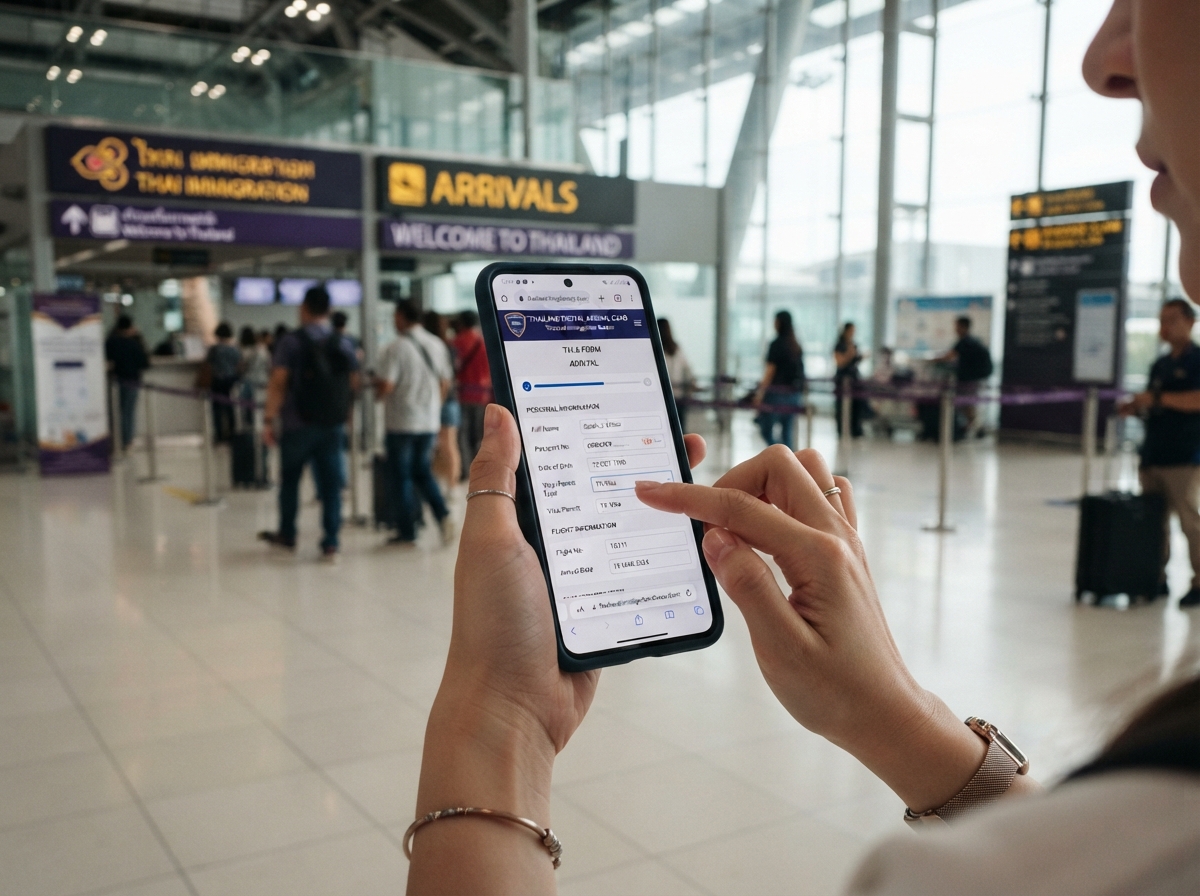
Prepare the documents that may be requested when you enter Thailand:
- •Passport valid for at least 6 months after arrival, with at least 1 blank page.
- •Onward or return ticket within the permitted stay.
- •First-night accommodation address, which is also entered on the TDAC.
- •Proof of funds, if requested: 10,000 THB per person or 20,000 THB per family for visa exemption, and 20,000 THB per person or 40,000 THB per family for tourist visa holders.
- •Yellow fever certificate if arriving from a country classified as a yellow fever risk area.
If you have not booked accommodation yet, browse hotels across Thailand so you have a confirmed first-night address ready for the TDAC.
Tourists do not generally need vaccination, testing or travel insurance under the supplied rule, though requirements can depend on travel history and current immigration instructions. Check official guidance before departure.
The Thailand Digital Arrival Card is mandatory for foreign nationals entering by air, land or sea. It has been required since 1 May 2025 and must be completed online within 3 days before arrival.
Complete the Thailand Digital Arrival Card on the official government TDAC website free of charge. Enter passport details, travel information, your first-night address and the health declaration, then keep the QR code available on your phone.
Each traveler, including children and infants, needs a separate TDAC for every entry. Be careful with third-party websites that charge a fee: the official portal is on Thailand's government domain and does not charge a fee.
Longer stays in Thailand
![Passport and travel documents prepared for a Thailand tourist e-Visa application]
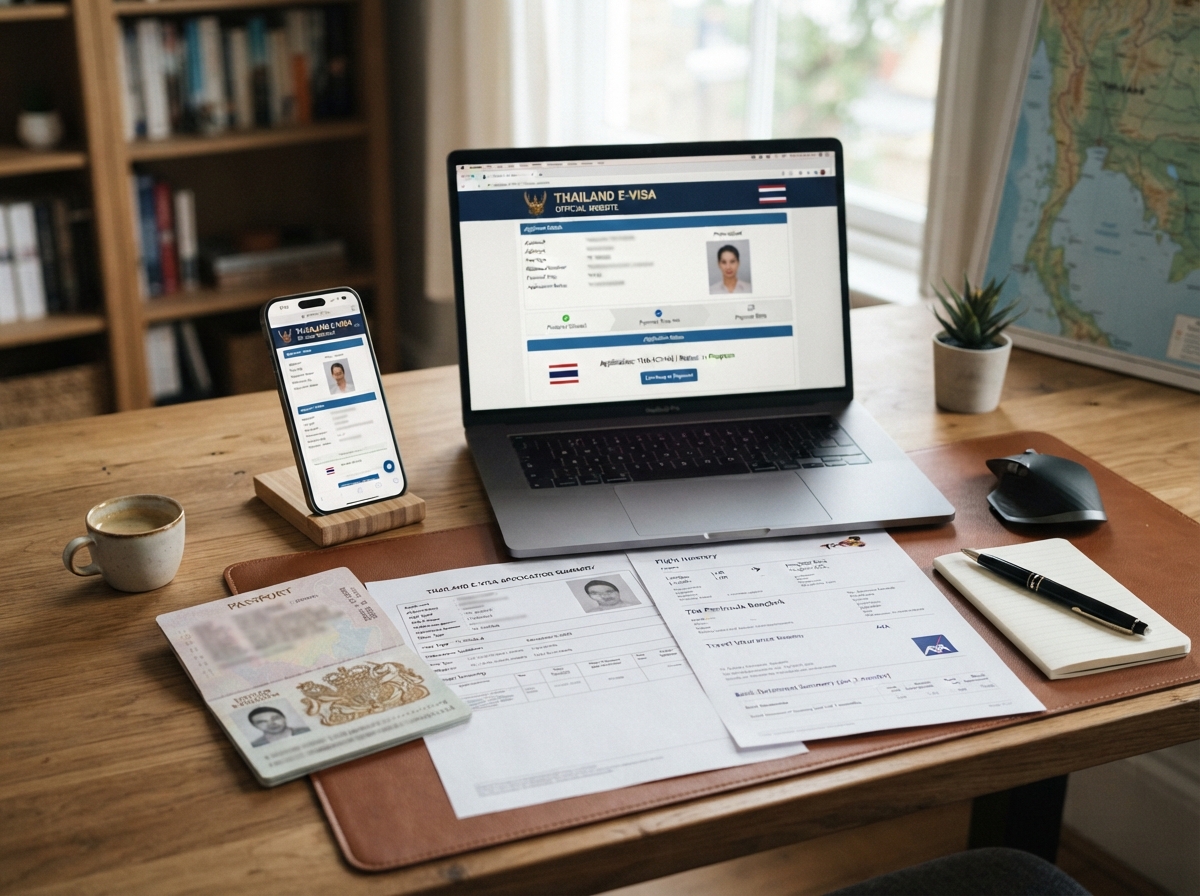
If you want to stay longer than your initial permission, choose an option that matches your nationality and travel purpose.
Extend a visa exemption
Apply at a Thai immigration office before your 30-day stamp expires. The supplied information gives a 1,900 THB fee and says the extension can add 30 days, creating a possible total of 60 days; the final decision belongs to immigration.
The input lists a passport, TM.7 form, 1 photo and the fee in cash among the documents. Confirm the local office's document requirements before visiting.
Apply for a tourist e-Visa
A Tourist Visa, or TR, can be requested online before travel through Thailand's official e-Visa application system. The supplied information gives an approximate cost of 40 US dollars, validity of 90 days from issue, a 60-day stay after entry, a possible 30-day extension and processing of 3 to 15 business days.
Fees, processing times and local application rules can vary by embassy. Apply early and check the embassy responsible for your place of residence.
Consider longer-stay visa categories
The Destination Thailand Visa is valid for 5 years with multiple entries. Each entry can last up to 180 days and may be extended once by 180 days.
Requirements listed in the input include remote work or enrollment in an eligible Thai course, 500,000 THB in savings with 3 months of bank statements, a criminal record certificate issued within 3 months and a 10,000 THB fee, as supplied for 31 August 2026.
For retirement travel, Non-O or O-A options apply to people aged 50 or older. Requirements include 800,000 THB in a Thai bank account for 2 months, 65,000 THB monthly income or a combination, and Thai health insurance with at least 40,000 THB outpatient and 400,000 THB inpatient coverage.
These categories have detailed conditions. Check the relevant Thai embassy or consulate before applying, because the correct documents depend on the visa type and applicant's residence.
Thailand 90-day reporting
![Passport and TM.47 form prepared for Thailand immigration reporting]
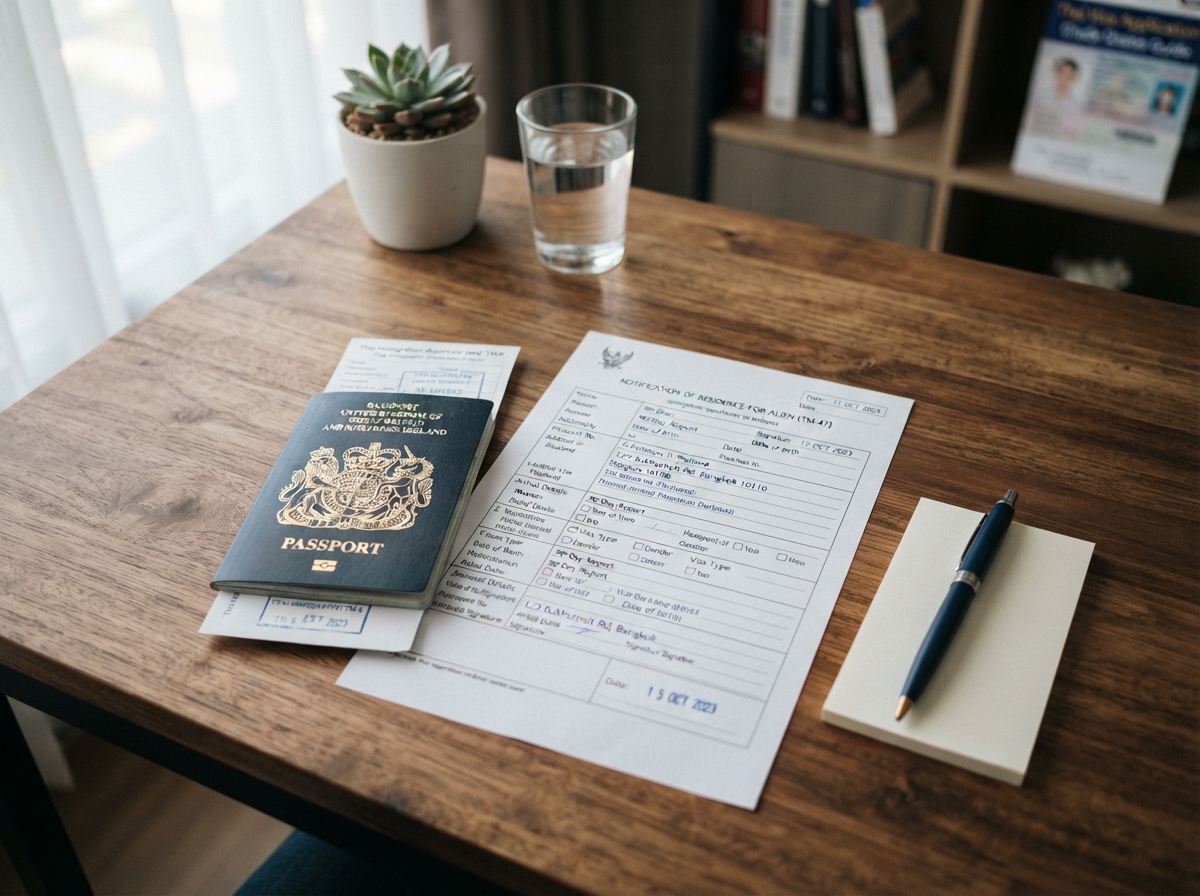
90-day reporting is an address notification, not a visa or visa extension. It generally applies when a foreigner stays in Thailand for more than 90 continuous days under a long-term permission, such as a retirement, work, education, marriage or Destination Thailand Visa arrangement.
The report can be made within 15 days before or 7 days after the due date. Leaving Thailand and re-entering resets the 90-day calculation from the latest re-entry date.
For the first report after entry, report in person at the local immigration office. Bring your passport, copies of relevant passport and immigration pages, the completed TM.47 form and any previous report receipt; some offices may also request address-registration evidence.
For later reports, use the online TM.47 reporting system if you meet the system's conditions, and save the approval or receipt. Reporting by registered post or through an authorized representative may also be available, depending on the local office's procedure.
Do not confuse TM30 with 90-day reporting. TM30 records a foreigner's residence and is generally filed by a landlord, hotel or property owner, while TM.47 is your own 90-day address notification.
Possible fines reach up to 2,000 THB for a landlord's late TM30 filing and 2,000 THB for a late 90-day report, with higher consequences in serious cases.
Avoid problems with Thailand visa requirements
Use the permission stamped in your passport, not only the visa's validity date, to calculate when you must leave or apply for an extension. A visa validity period and an authorized period of stay are different concepts.
Do not work in Thailand under a tourist entry permission, and do not assume that a visa exemption covers business activity, employment or every type of course. Ask the responsible Thai embassy or immigration office which category fits your purpose.
Keep digital copies of your passport, arrival stamp, TDAC confirmation, accommodation address and immigration receipts. Check the current rules before each entry, especially if you plan to cross a land border or book train, bus and ferry tickets for onward travel.
Have a question about your trip? Contact AsiaBuddy.
Frequently Asked Questions
Can tourists extend a Thailand visa exemption?
Eligible travelers can apply at a Thai immigration office before the 30-day stamp expires. The supplied information gives a 1,900 THB fee and a possible 30-day extension, but immigration makes the final decision.
Is the Thailand Digital Arrival Card free?
Yes, the official TDAC website does not charge a fee. Complete it through the official government portal before each entry.
Do children need a separate TDAC?
Yes, children and infants need their own TDAC for every entry into Thailand.
Who must complete 90-day reporting?
Foreigners who stay in Thailand for more than 90 continuous days under a long-term permission generally need to notify immigration of their address. Tourists whose permitted stay is less than 90 days normally do not need this report.
More from Thailand Travel

Thailand Year-End Flights 2026: What TAT Support Means
Thailand is using emergency funds to support year-end flights. See what the TAT plan means for fares, festival trips and...

Lamphun Lantern Festival 2026 Dates and Visit Guide
The Lamphun lantern festival 2026 runs from October 1 to November 30. Get the key dates, parade day, temple etiquette an...

Siam Amazing Park Reopening in Bangkok on November 19
Siam Amazing Park is reopening in Bangkok on November 19, 2026. See which areas open, which rides stay closed, and what...
Share this post
AsiaBuddy Team
Local experts helping travelers explore Southeast Asia with confidence — trusted guides, curated tours, and real destination knowledge.