Thailand Travel Regions Guide: Where to Go First
Thailand travel regions offer mountains, cities, history, and islands. Learn which area fits your trip before you plan your Thailand itinerary.
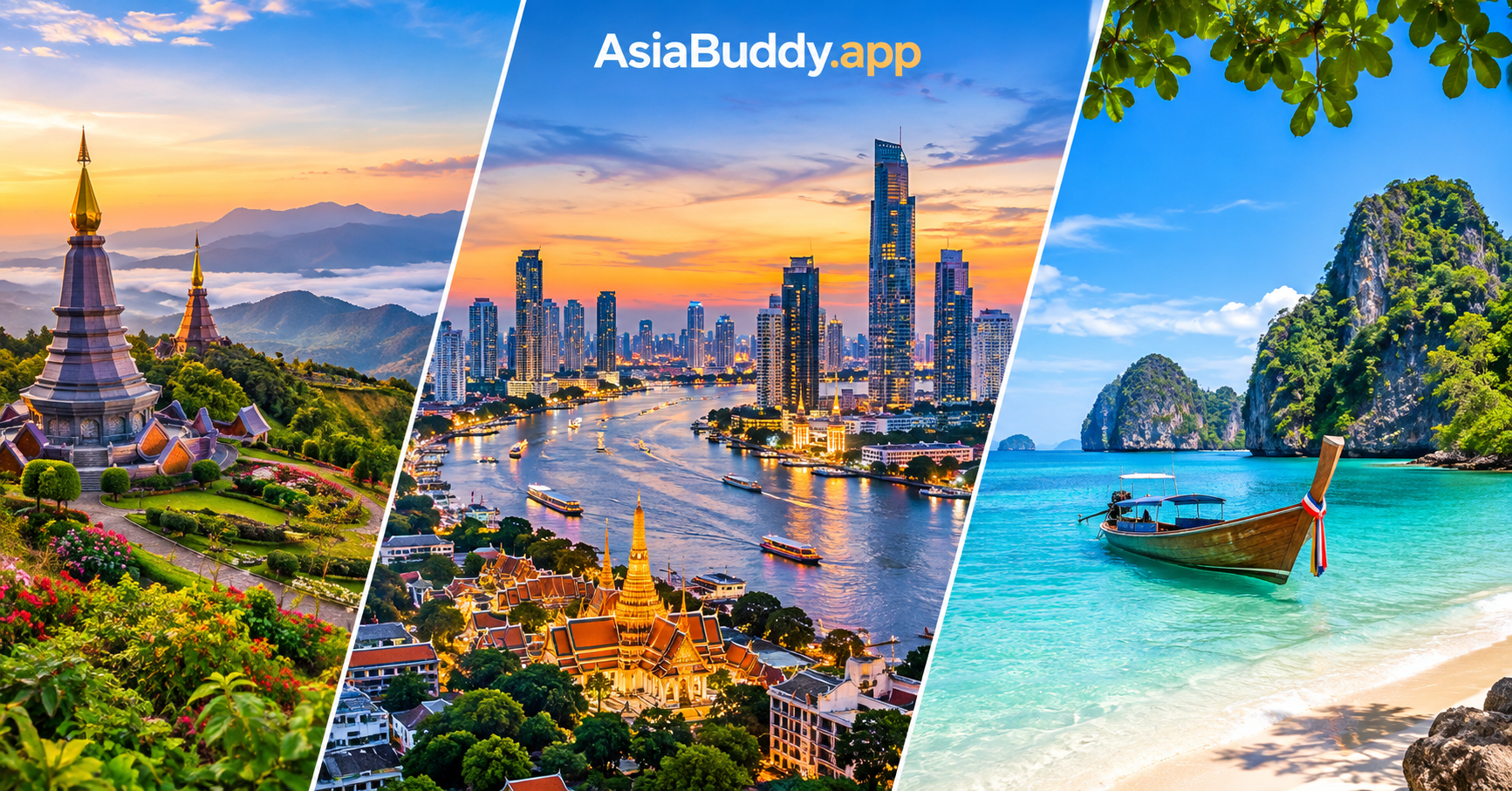
Thailand travel regions are very different from one another, so the right starting point depends on what you want from your trip. Some travelers want cool mountain air, others want temples and city life, and many want clear water and beach time.
Explore Thailand Tours
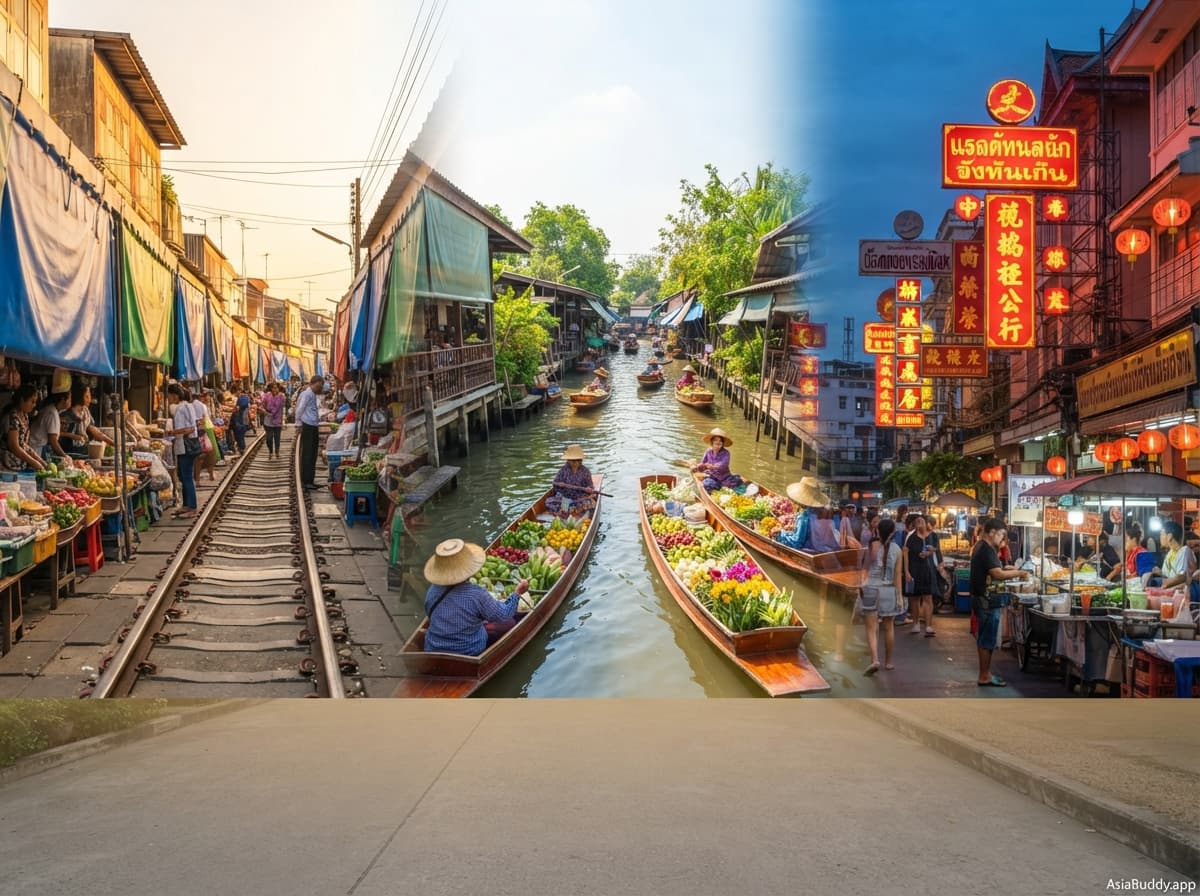

This guide explains the main regions of Thailand in simple terms. Use it to match your interests, travel time, and budget with the part of the country that suits you.
Which Thailand Travel Region Fits Your Trip
The Thailand travel region that fits you depends on whether you prefer mountains, culture, history, beaches, or island hopping. Northern Thailand suits travelers who want cooler weather and scenic roads, while Southern Thailand is the natural choice for beaches and islands.
If you are new to Thailand, Central Thailand is often a simple starting point because Bangkok has major airports, hotels, food, shopping, and transport connections. From there, you can add a historic day trip, a beach stop, or a longer journey to another region.
Choose 1 or 2 regions rather than trying to see everything in a short visit.
How Thailand Is Divided
Thailand is commonly divided into 6 broad travel areas: Northern Thailand, Isan in the northeast, Central Thailand, Western Thailand, Eastern Thailand, and Southern Thailand. Each area has its own landscape, food culture, pace of life, and main travel hubs.
You do not need to visit every region on a single trip. A focused route is usually easier to plan, especially if you have less than 2 weeks.
The Tourism Authority of Thailand provides destination information that can help you compare regions before you book.
Northern Thailand for Mountains and Chiang Mai
![Chiang Mai temple roof with northern Thailand mountains in the background]
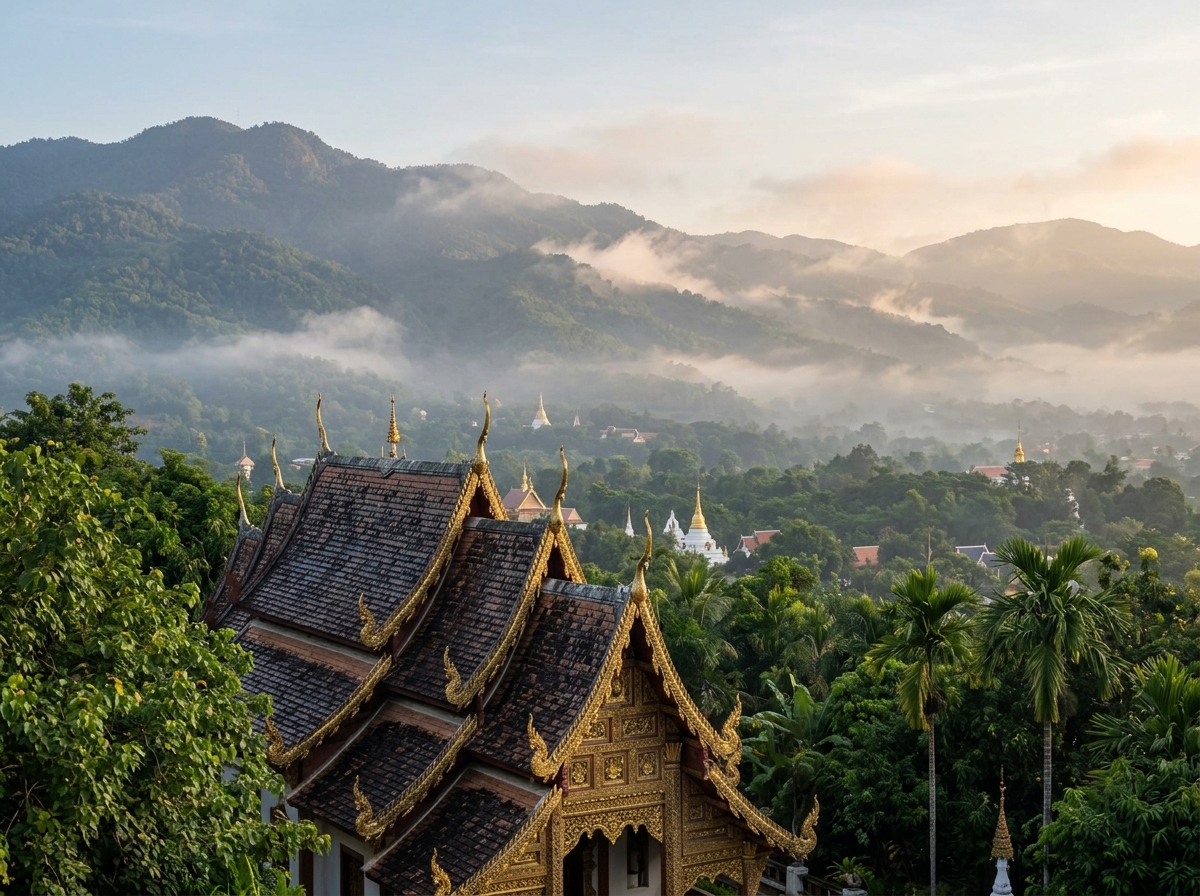
Northern Thailand is a strong choice if you like mountains, cooler air, temples, coffee shops, and a slower travel rhythm. Chiang Mai, Chiang Rai, and Mae Hong Son are the main places travelers use as bases.
Chiang Mai is the region's main city and is known for its old town, temples, night markets, cooking classes, and nearby mountain villages. Chiang Rai is useful for travelers who want to continue toward the Golden Triangle area and border regions.
Mae Hong Son is quieter and more remote, with mountain roads and a strong local culture. This area works well for travelers who enjoy road trips, viewpoints, and nature rather than busy nightlife.
- •Choose Northern Thailand if: you want mountains, temples, cooler weather, and relaxed cafes.
- •Main bases: Chiang Mai, Chiang Rai, and Mae Hong Son.
- •Good trip length: 4 to 7 days for a first visit.
Isan for Rural Life and Local Culture
Isan is Thailand's northeastern region, a large plateau area with farming communities, wide open landscapes, and a distinct local culture. Khon Kaen, Udon Thani, and Nakhon Ratchasima, often called Korat, are important cities in this region.
Isan is less polished for new tourists than Bangkok or the islands, but it rewards travelers who want local food, markets, and everyday Thai life. It can also be a practical stop for overland travel toward Laos.
Udon Thani is especially relevant for travelers continuing to Vientiane, and you can read more about that route in this guide to the Udon Thani to Vientiane bus.
- •Choose Isan if: you want local culture, food, rural scenery, and fewer tourist crowds.
- •Main bases: Khon Kaen, Udon Thani, and Nakhon Ratchasima.
- •Good trip length: 3 to 5 days, or longer if you are traveling overland.
Central Thailand for Bangkok and Historic Cities
![Bangkok modern buildings beside the Chao Phraya River in daytime]
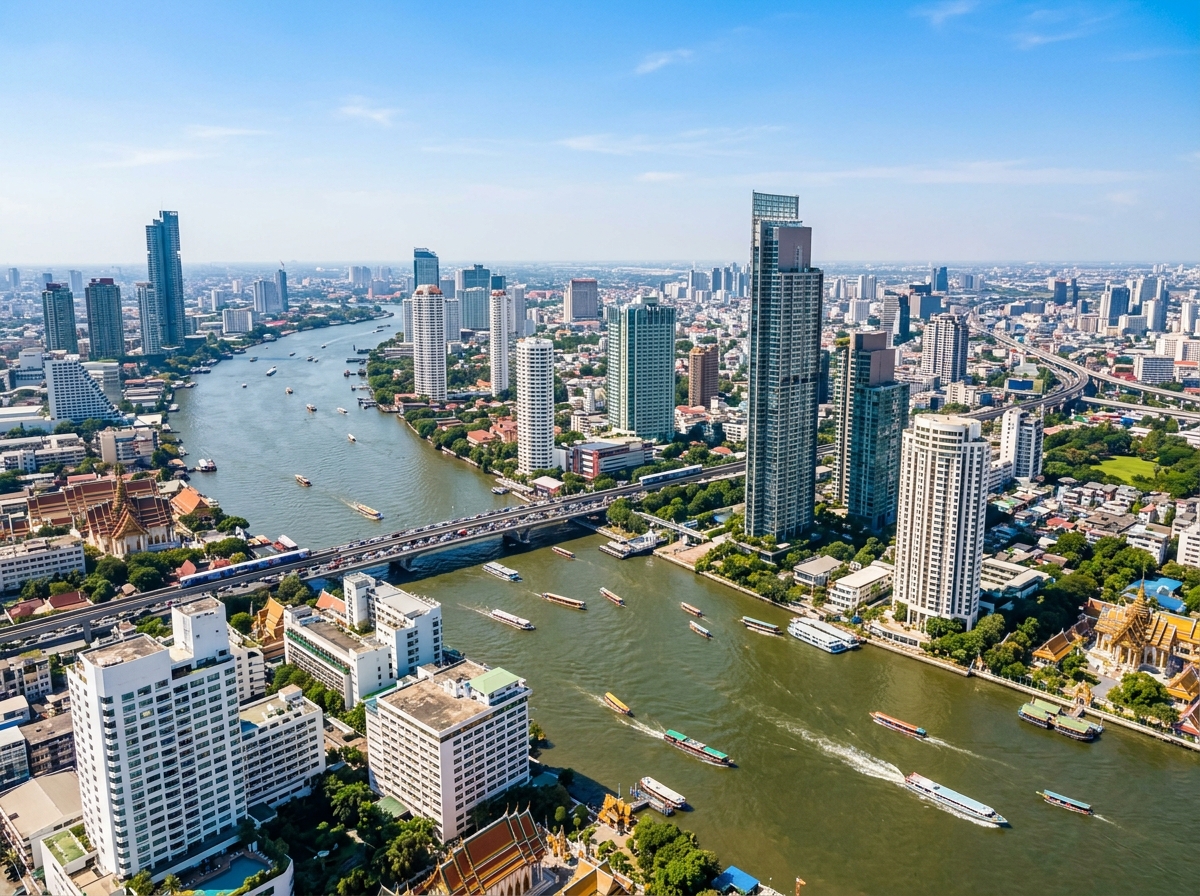
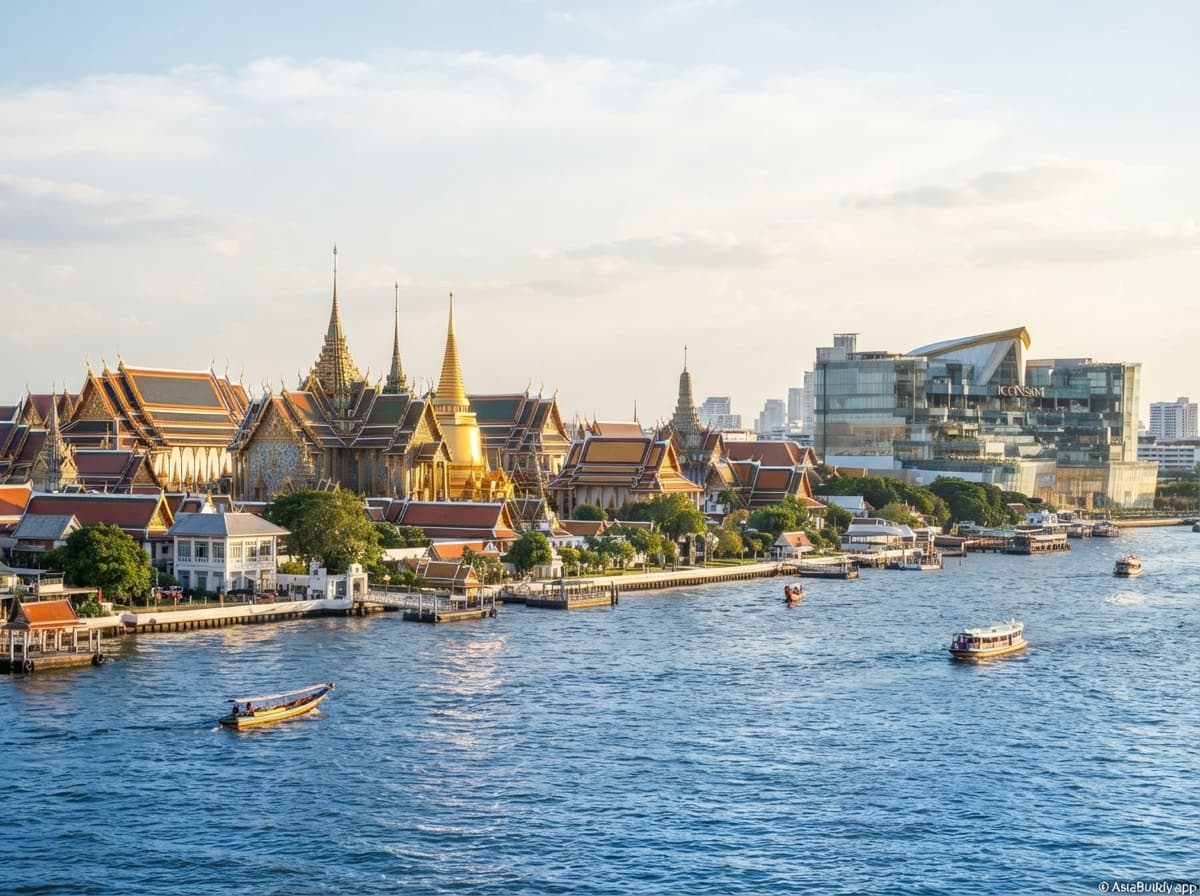
Central Thailand sits on the Chao Phraya River plain and includes Bangkok, the country's capital and a major visitor hub. This region combines modern shopping malls, street food, river views, temples, and easy access to historic sites.
Bangkok is the practical center of many Thailand trips. It has 2 major airports, a wide range of places to stay, and transport links to other parts of the country.
Ayutthaya and Sukhothai are the region's major historic destinations. Ayutthaya is a popular day trip from Bangkok, while Sukhothai is farther north and better suited to travelers with more time.
If you are planning a stay in the capital, these Bangkok travel planning tips can help you organize transport, areas to stay, and daily plans.
- •Choose Central Thailand if: you want city energy, food, shopping, temples, and historic day trips.
- •Main bases: Bangkok, Ayutthaya, and Sukhothai.
- •Good trip length: 3 to 5 days in Bangkok, plus 1 to 2 days for Ayutthaya or Sukhothai.
Western Thailand for Nature and History
Western Thailand lies along the border with Myanmar and is known for forested mountains, rivers, waterfalls, and historic railway sites. Tak and Kanchanaburi are the main provinces travelers visit in this region.
Kanchanaburi is a well-known base for many international travelers. It is associated with the Death Railway, a historic railway route built during World War II, as well as riverside stays and nearby natural attractions.
This region suits travelers who want green landscapes and a slower pace after a city stay. It is also a practical choice for a short escape from Bangkok.
- •Choose Western Thailand if: you want forests, waterfalls, rivers, and history.
- •Main bases: Kanchanaburi and Tak.
- •Good trip length: 2 to 4 days.
Eastern Thailand for Beaches Near Bangkok
Eastern Thailand follows the Gulf of Thailand coast and includes Chonburi, Pattaya, and Rayong. The region is known for beach resorts, seafood, and relatively easy access from Bangkok.
Pattaya is a widely recognized destination in this area. It has a busy nightlife scene, beach areas, water activities, and many hotels, so it suits travelers who want an active coastal break.
Rayong is generally quieter and is a useful base for travelers heading toward nearby islands. Chonburi includes coastal towns and industrial areas, with Pattaya as its main tourism center.
Travelers visiting Pattaya should also review local safety advice before going out at night, and this guide to the Pattaya show me your money scam explains a common issue visitors should know about.
- •Choose Eastern Thailand if: you want a beach break close to Bangkok.
- •Main bases: Pattaya, Rayong, and Chonburi.
- •Good trip length: 2 to 4 days.
Southern Thailand for Islands and Phuket
![Phuket beach with white sand and clear sea below green hills]
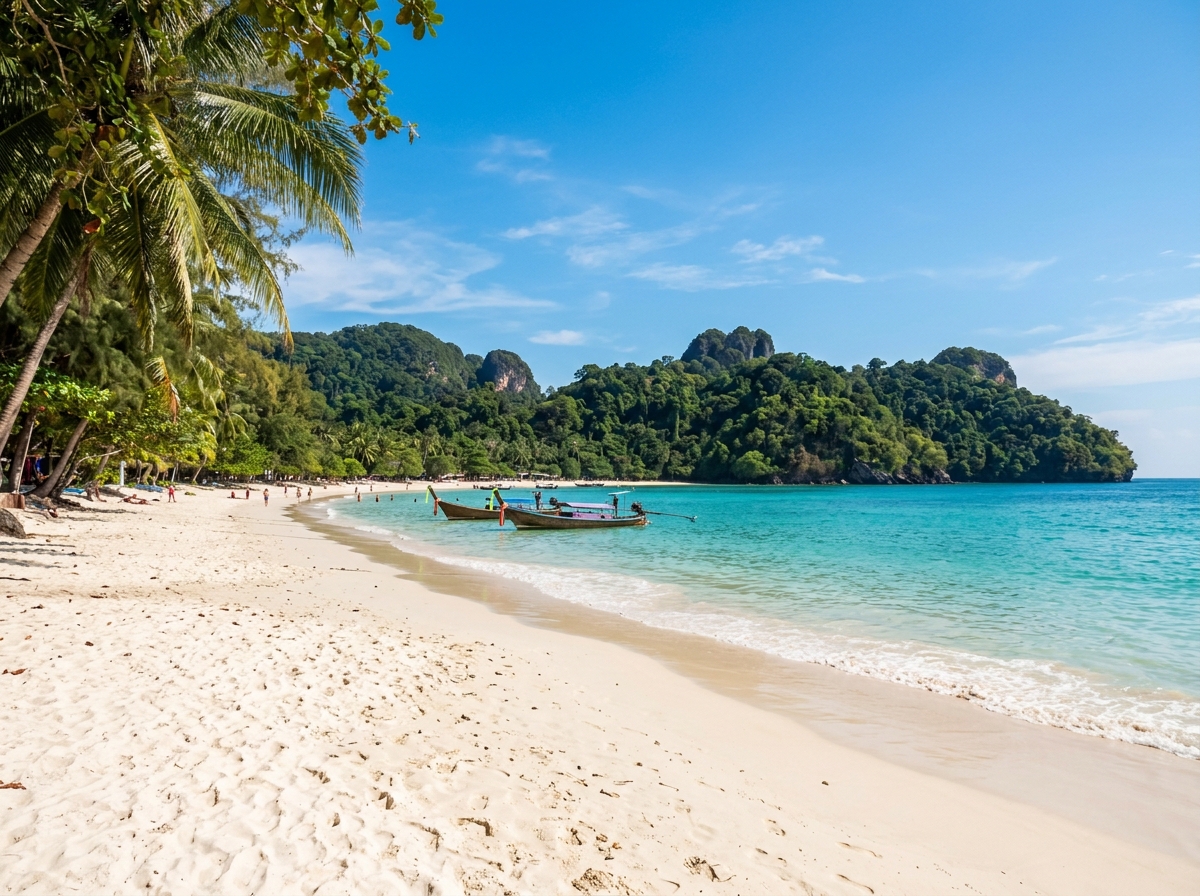
Southern Thailand is the region for travelers who want islands, clear water, white sand, and coastal scenery. Phuket, Krabi, Koh Samui, and Phang-nga are well-known destinations.
Phuket is a large island with a wide range of hotels, restaurants, beaches, and transport options. Krabi is popular for limestone cliffs, island trips, and a more laid-back coastal atmosphere.
Koh Samui is a major island in the Gulf of Thailand, while Phang-nga is known for dramatic bay scenery and island-hopping routes. Southern Thailand suits beach holidays, honeymoons, diving trips, and island combinations.
- •Choose Southern Thailand if: beaches, islands, snorkeling, and sea views are your priority.
- •Main bases: Phuket, Krabi, Koh Samui, and Phang-nga.
- •Good trip length: 5 to 10 days for an island-focused trip.
Sample Region Combinations for Your Trip
Start by deciding what matters most: mountains, city life, history, local culture, or beaches. Then match that priority to 1 main region and add only 1 nearby stop.
For example, a visitor with 7 days could combine Bangkok with Ayutthaya, then finish with 3 nights in Phuket or Krabi. A traveler who prefers nature could choose Chiang Mai and Kanchanaburi instead.
If you plan to move between cities, check bus, train, and ferry options before fixing your route, and this guide to Thailand feeder bus routes shows how smaller towns connect to major transport hubs.
Want help planning this trip? Browse AsiaBuddy's Thailand tour packages.
Frequently Asked Questions
Where should I start my Thailand trip?
Most new visitors start in Central Thailand because Bangkok has major airports, hotels, food, and transport connections. You can then add Ayutthaya, a beach region, or a northern mountain stop.
Is Northern Thailand good for new visitors?
Yes. Chiang Mai and Chiang Rai are easy to explore and offer temples, markets, mountain scenery, and a relaxed pace. They work well for travelers who prefer culture and nature over beach time.
Which Thailand region suits beach holidays?
Southern Thailand is the main beach region. Phuket, Krabi, Koh Samui, and Phang-nga are popular bases for island trips, snorkeling, and coastal holidays.
Can I visit more than 1 Thailand region in a single trip?
Yes, but keep your route realistic. Usually 2 regions are enough for a 7 to 10 day trip, while 3 regions work better for a longer holiday.
Is Isan worth visiting in Thailand?
Isan is worth visiting if you want local food, rural landscapes, and a less touristy experience. Khon Kaen, Udon Thani, and Nakhon Ratchasima are practical cities to use as bases.
More from Thailand Travel

Thailand Year-End Flights 2026: What TAT Support Means
Thailand is using emergency funds to support year-end flights. See what the TAT plan means for fares, festival trips and...
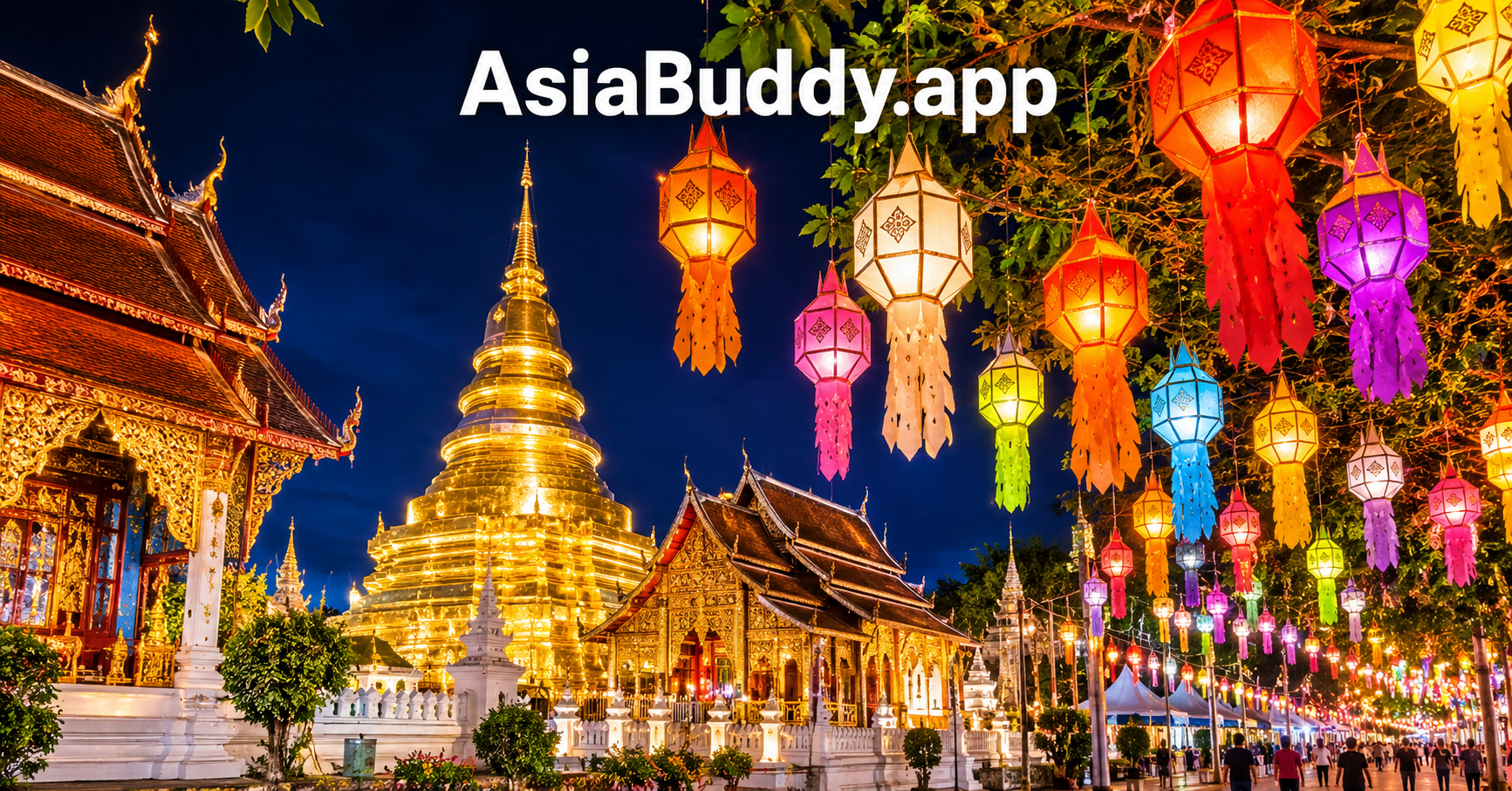
Lamphun Lantern Festival 2026 Dates and Visit Guide
The Lamphun lantern festival 2026 runs from October 1 to November 30. Get the key dates, parade day, temple etiquette an...

Siam Amazing Park Reopening in Bangkok on November 19
Siam Amazing Park is reopening in Bangkok on November 19, 2026. See which areas open, which rides stay closed, and what...
Share this post
AsiaBuddy Team
Local experts helping travelers explore Southeast Asia with confidence — trusted guides, curated tours, and real destination knowledge.