10 Thailand Travel Mistakes First-Timers Still Make in 2026
Planning your first trip to Thailand? Avoid 10 common mistakes, from the arrival card to tuk-tuks, BTS and temples, with practical fixes for 2026.
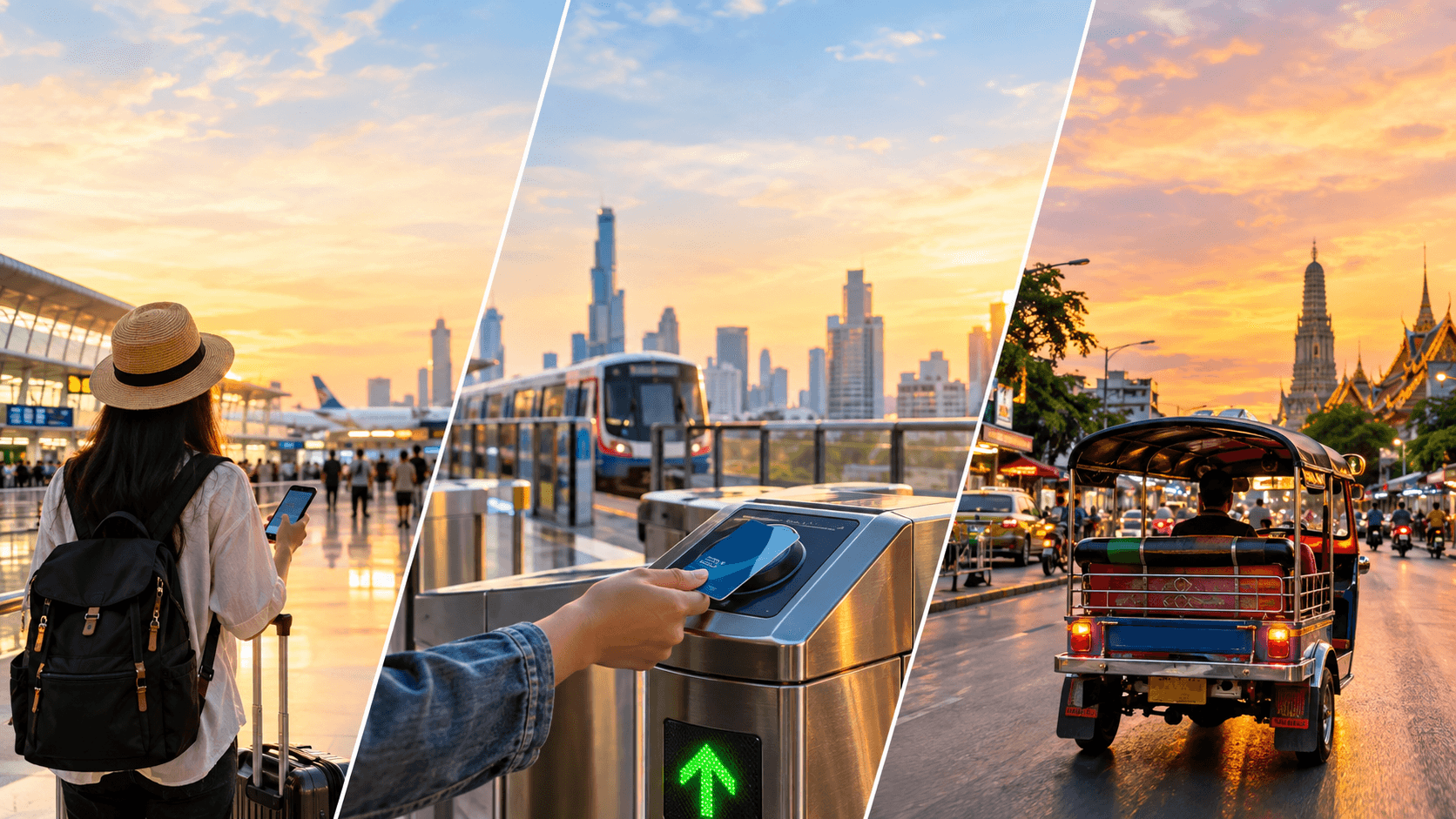
Thailand is one of the friendliest countries in the world for first-time travelers. But it is also easy to make small mistakes that cost you time, money, or a bad afternoon. Most of these mistakes are simple to avoid — once you know about them.
Explore Thailand Tours
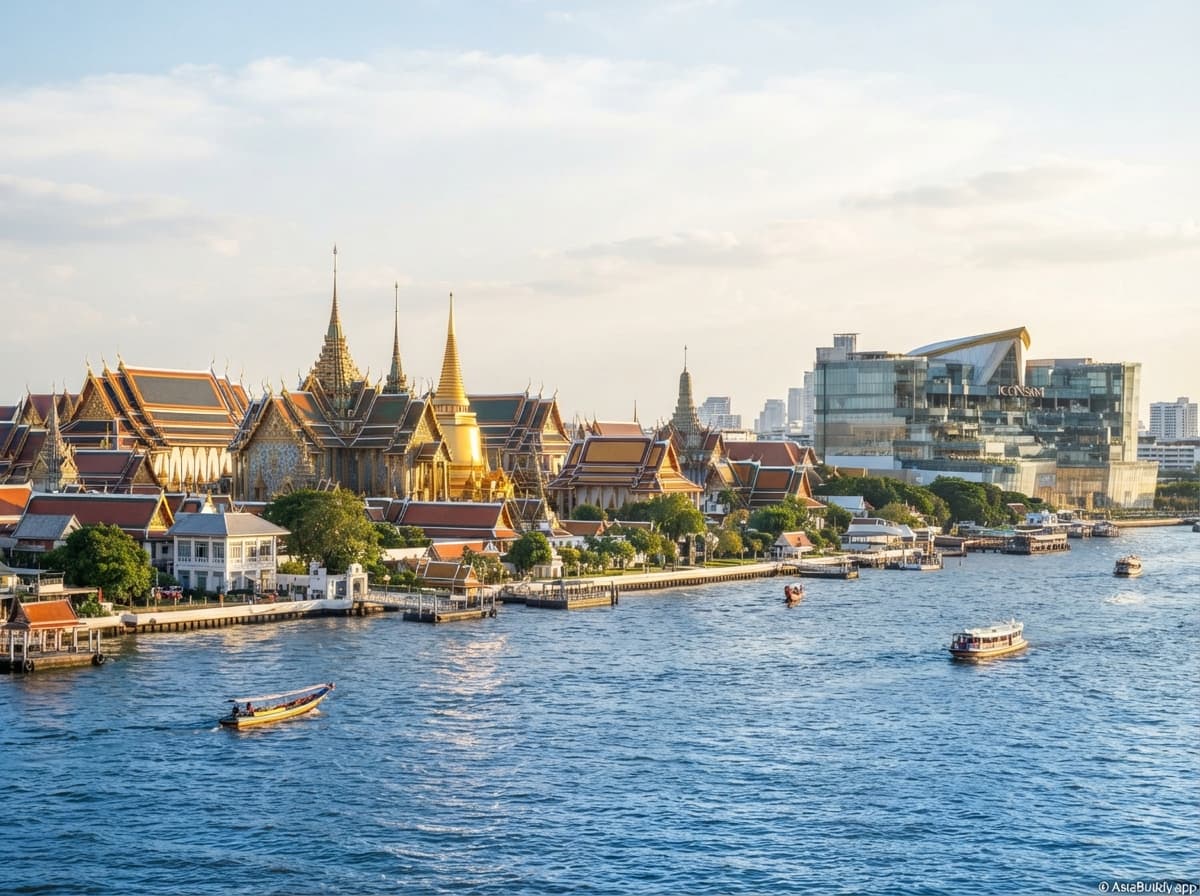
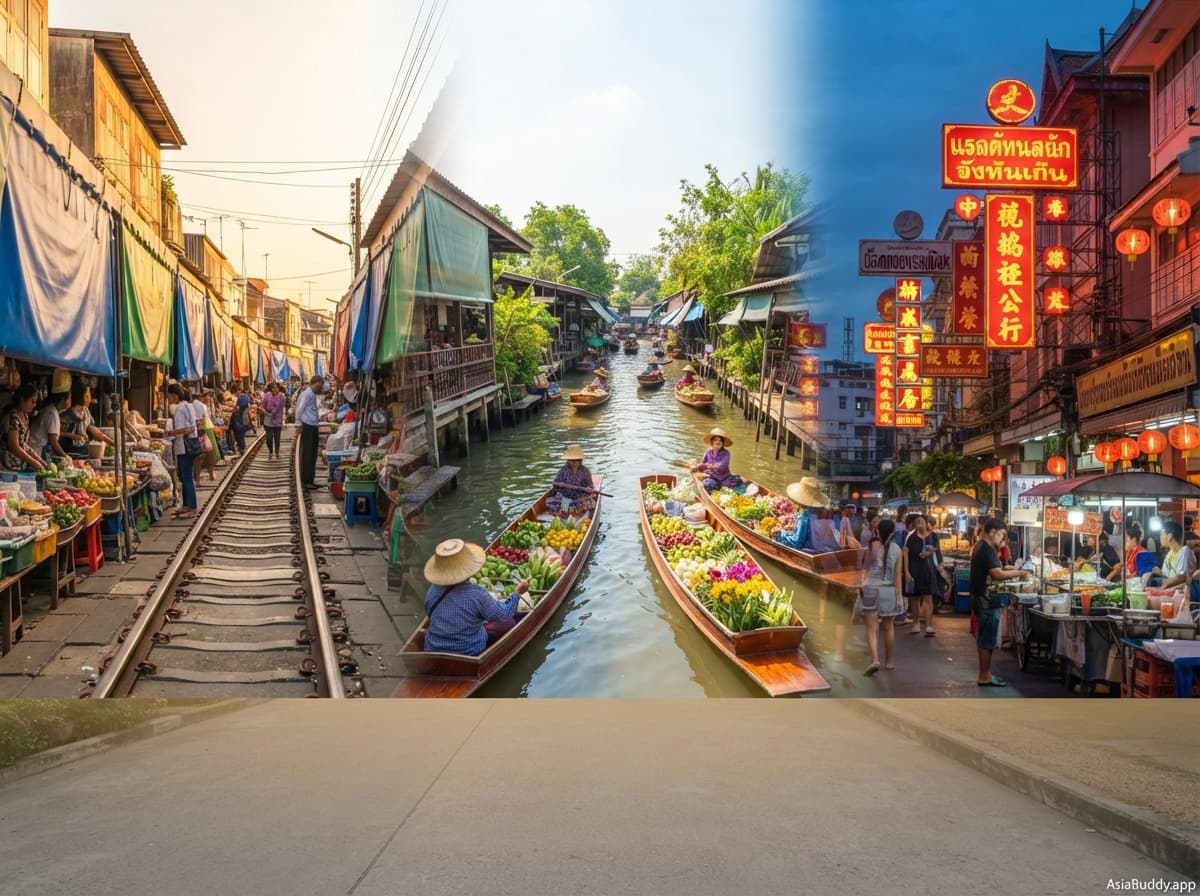

This list comes from real questions we see every week in the ThaiGuide travel community. These are not random tips from the internet. They are the things travelers actually ask us about before, during, and after their trip.
Let's go through them one by one.
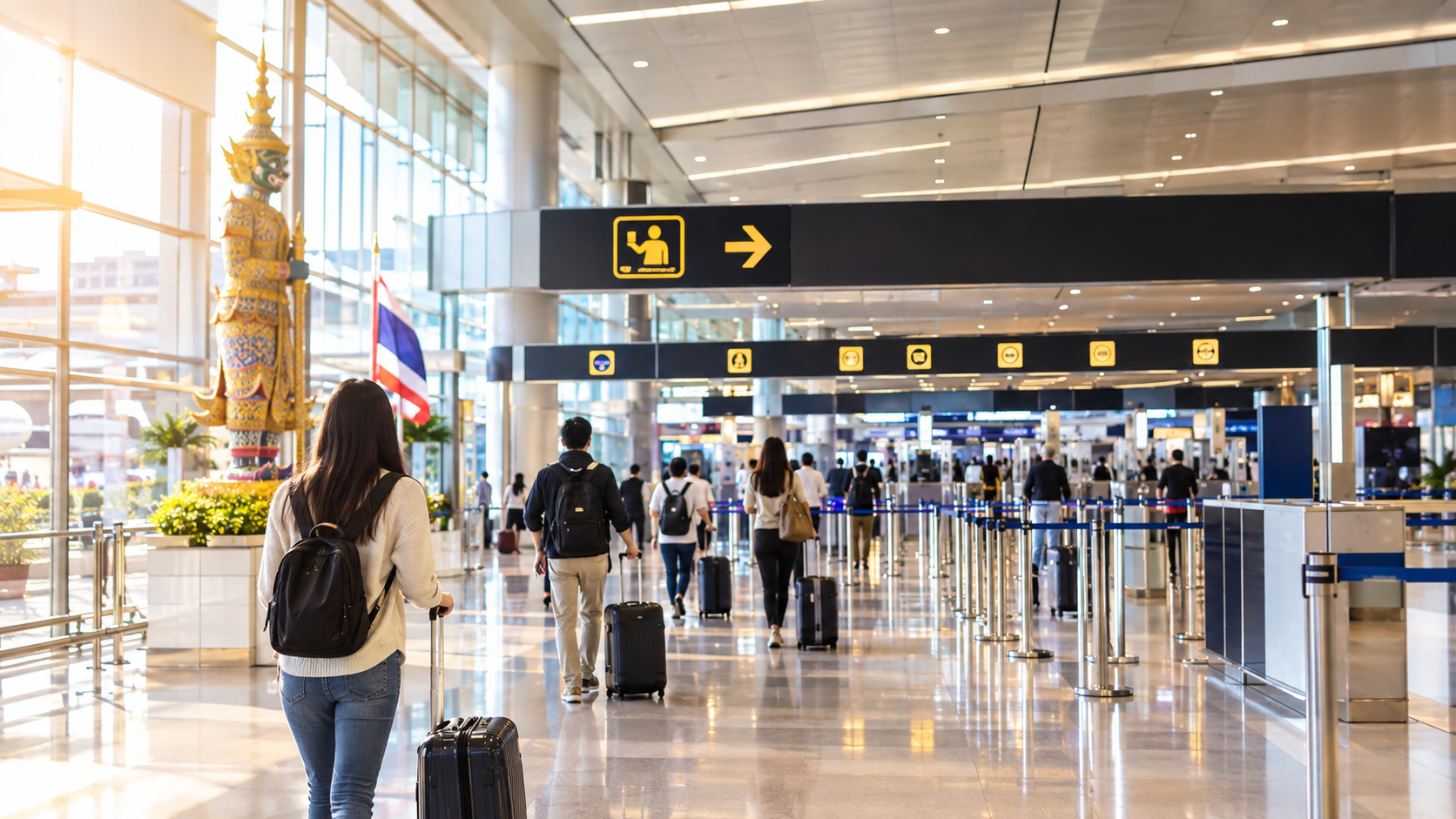
1. Skipping the Digital Arrival Card (TDAC)
Since May 2025, Thailand no longer uses the old paper arrival form. Every visitor now fills out the Thailand Digital Arrival Card (TDAC) online, before landing.
Why travelers get stuck: Every visitor needs their own TDAC — even babies and small children. You must submit it within 3 days before you arrive. Some travelers try to fill it out on airport Wi-Fi while standing in the immigration line. That is not a fun way to start a holiday.
What to do instead: Fill out the TDAC a day or two before your flight, using the official site only: tdac.immigration.go.th. It is 100% free. Some copycat websites charge a fee — do not use them.
ThaiGuide Tip: Take a screenshot of your confirmation and QR code before you fly. Thailand's airport Wi-Fi is not always reliable, and having an offline copy saves you from stress at immigration.
2. Expecting to Just "Walk In" at Popular Restaurants
Bangkok's food scene has grown fast, and many top restaurants are now fully booked weeks ahead.
Why travelers get stuck: Some visitors plan to decide where to eat once they land, then find out the restaurant they wanted is full for their whole trip. They end up eating somewhere random instead.
What to do instead: If there is a restaurant you really want to try, book it early. For popular or fine-dining spots, reserve 2–3 weeks ahead. For casual local favorites, a few days ahead is usually enough.
ThaiGuide Tip: Many restaurants in Bangkok take bookings through LINE, the app most Thais use to chat. Download it before your trip — messaging a restaurant on LINE often gets a faster reply than email.
3. Withdrawing Cash the Wrong Way
Cash still matters a lot in Thailand — for street food, markets, and small shops. But how you take it out from the ATM matters too.
Why travelers get stuck: Thai ATMs usually give out 500 and 1,000 baht notes. Try paying for a 40-baht bowl of noodles with a 1,000-baht note, and the seller may not have change. ATMs also charge a fee of around 220–250 baht per withdrawal, so many small withdrawals add up fast.
What to do instead: Ask for an amount that ends in "900" — for example, 6,900 baht instead of 7,000. This trick usually gives you smaller notes back, which are far easier to use for everyday spending. Withdraw bigger amounts less often to save on fees.
ThaiGuide Tip: Break a big note at any 7-Eleven. Buy a small bottle of water with your 1,000-baht bill, and you will walk out with smaller notes — no awkward moment with a street vendor.
4. Underestimating Bangkok Traffic
Bangkok traffic is famous — and not for good reasons.
Why travelers get stuck: Morning rush hour runs roughly 7–9 AM, with another slow stretch from afternoon into evening. A ride that takes 15 minutes at noon can take an hour at 5 PM. Travelers who did not plan for this end up losing hours stuck in a taxi.
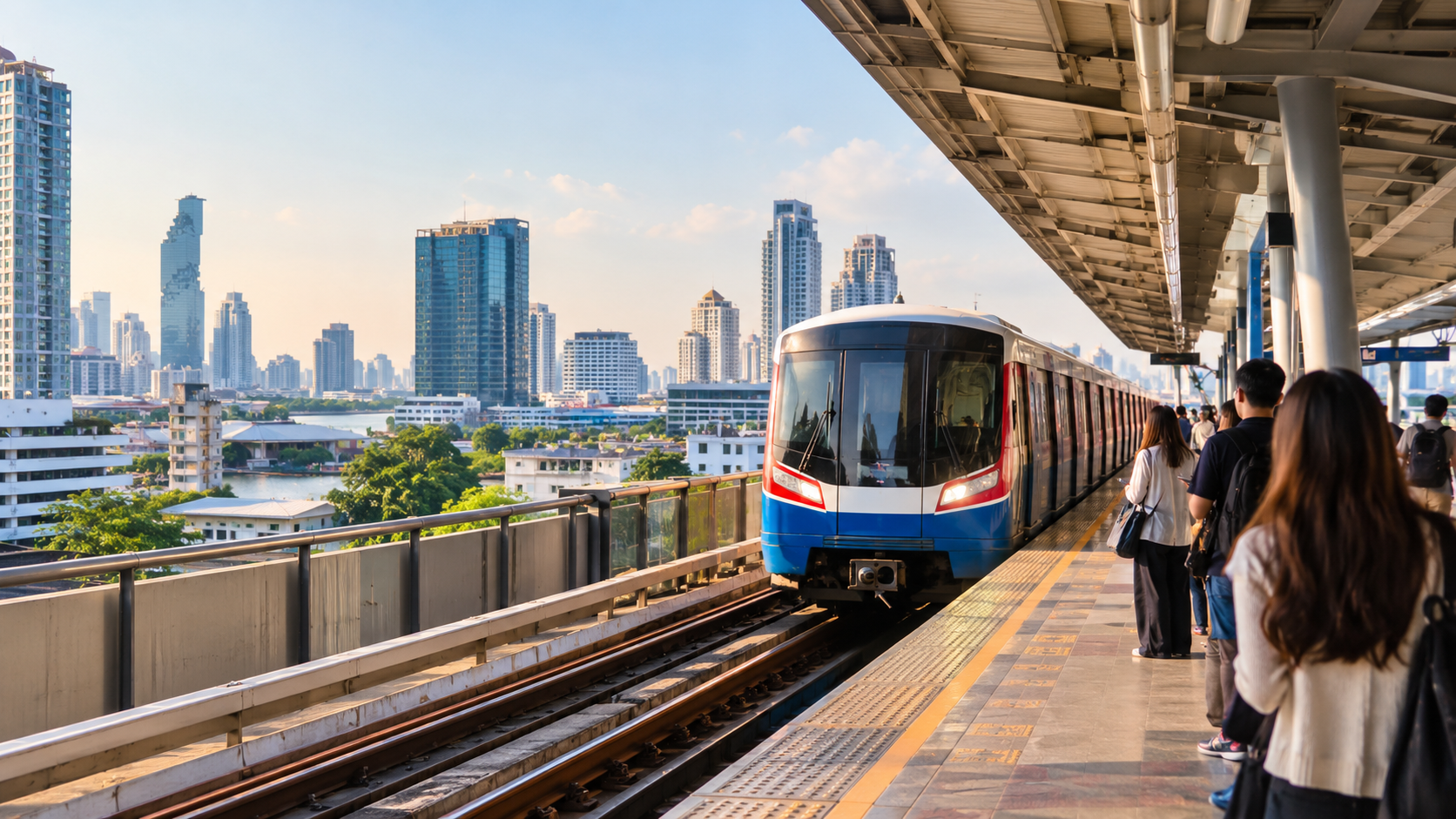
What to do instead: Group your plans by area. Instead of crossing the city several times in one day, visit places that are close together. When you can, take the BTS Skytrain or MRT — they run above and below the traffic, so delays on the road do not affect them.
ThaiGuide Tip: Check Google Maps traffic colors before leaving your hotel. If the road is showing red, switch your plan to the BTS or MRT instead of a taxi.
5. Forgetting Your Passport When Buying a Transit Card
If you plan to ride the BTS or MRT often, a rechargeable transit card is worth getting. But some of these cards need your passport to register.
Why travelers get stuck: Travelers arrive at the station ready to explore, only to learn they need a passport to get the card — and it is back at the hotel. They either pay full price per ride or go back to get it.
What to do instead: Bring your passport with you the first time you visit a station to buy a transit card. After that first registration, you can top it up anywhere without needing ID again.
ThaiGuide Tip: The MRT also accepts tap-to-pay credit cards and mobile wallets directly at the gates. If your card supports contactless payment, you may not need a separate transit card at all.

6. Believing the "Grand Palace is Closed" Story
This is one of the oldest tricks in Bangkok, and it still works on new visitors in 2026.
Why travelers get stuck: A friendly stranger near the Grand Palace says it is closed today for a special ceremony. A tuk-tuk appears almost instantly, offering a cheap tour "while you wait." That tour always ends at a gem shop, where visitors are pushed to buy overpriced stones — sometimes costing over 2,000 US dollars. The stones are shipped home, so buyers cannot check them before it is too late.
What to do instead: The Grand Palace almost never closes without notice. If someone you do not know tells you it is closed, ignore them and keep walking to the real entrance on Na Phra Lan Road. Check the gate yourself.
ThaiGuide Tip: This same trick shows up near Wat Pho, Wat Arun, and other tourist spots too. The rule is simple: if a stranger stops you to say something is closed, it is a scam. Just keep walking.
7. Hopping in a Tuk-Tuk Without Agreeing on a Price First
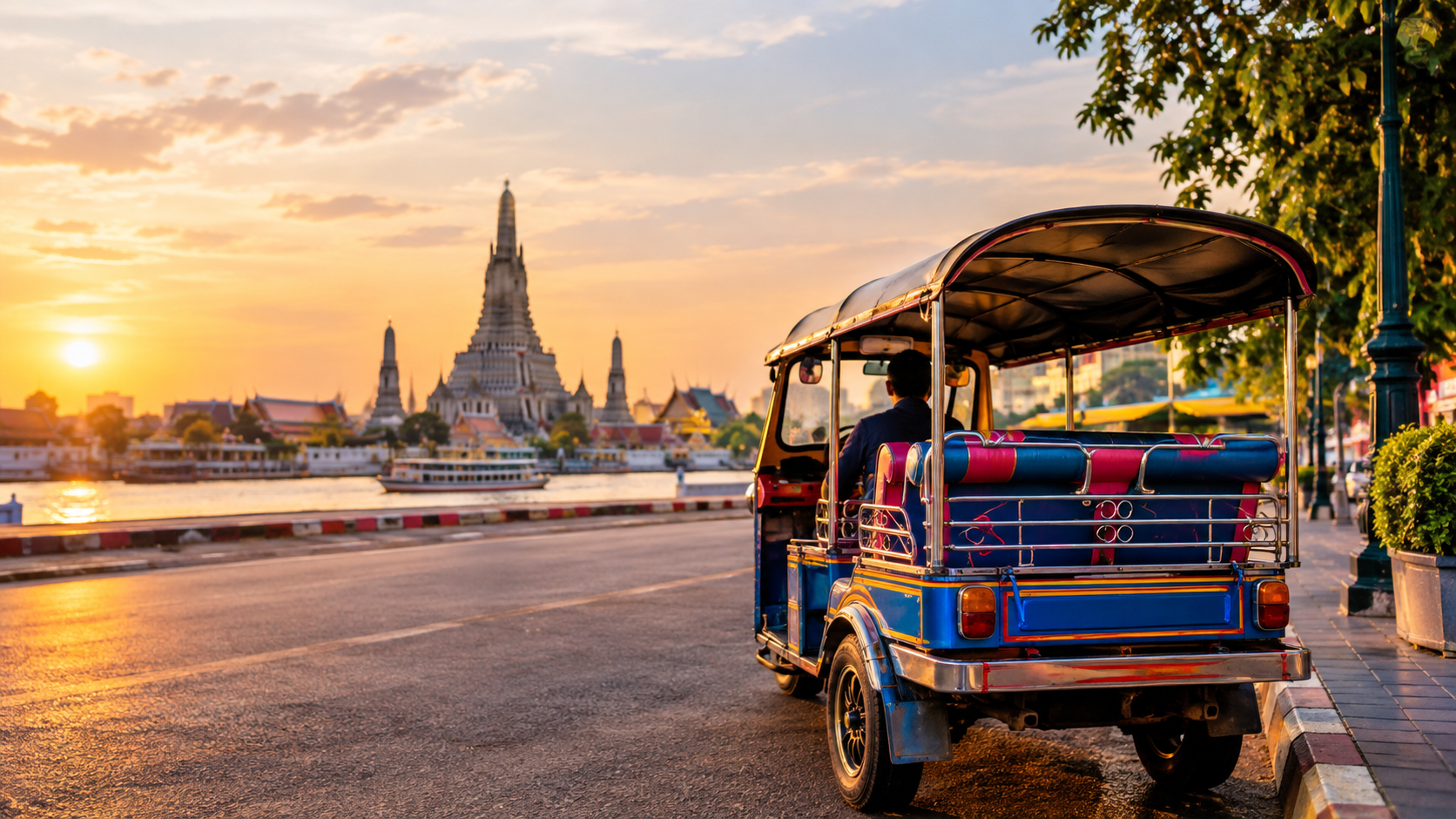
Tuk-tuks are fun and a classic Thailand experience — but for everyday travel, they are often set up to profit off tourists.
Why travelers get stuck: Drivers often quote high flat rates to foreigners — more than a regular air-conditioned taxi. A common trap: a driver offers a very cheap ride (20–40 baht) near a famous landmark, then detours to a shop that pays him commission. What looked like a bargain turns into pressure to buy something you never wanted.
What to do instead: Agree on the exact destination and price before you get in — and say no to any "quick stop." For a short trip, a fair price is around 60–100 baht. If a driver refuses to agree on a straight price, walk away and use Grab instead. It is usually cheaper and comes with air conditioning.
ThaiGuide Tip: Want the tuk-tuk experience anyway? Take one short ride at night, when traffic is light and the city lights look great in photos. Agree on the price first, enjoy the ride, then use Grab for the rest of your trip.
8. Wearing the Wrong Outfit to a Temple
Beach clothes look great on the beach — but they will get you turned away at temple gates.
Why travelers get stuck: Visitors travel across the city to see Wat Phra Kaew or Wat Pho, only to be stopped at the entrance because their shoulders or knees are showing. Some are forced to rent or buy a cover-up from vendors right outside — often the same vendors connected to the scam in point 6.
What to do instead: Cover your shoulders and knees when visiting temples or royal sites. Light trousers, a longer skirt, or a shirt with sleeves all work well in Thailand's heat. The Grand Palace actually gives out free sarongs inside the gate — you just need to avoid buying one from someone outside first.
ThaiGuide Tip: Pack one light, button-up shirt made of linen or cotton. It works as sun protection, a temple cover-up, and a light layer for cold air-conditioned malls and trains — all in one item.
9. Traveling Without a Local SIM Card or Transport App
If your trip is longer than a few days, relying only on cash and paper maps gets frustrating fast.
Why travelers get stuck: You try to tell a taxi driver where to go, but you do not have the address in Thai. You get lost with no way to check directions. You cannot call to confirm a booking. Small tasks turn into big problems when you are offline.
What to do instead: Get a local SIM card as soon as you land. Download Grab and connect a card to it — it works like Uber across Southeast Asia. Having a Thai number also makes it easier for drivers and hosts to reach you.
ThaiGuide Tip: SIM booths from AIS and TrueMove are at every major airport and take about 5 minutes to set up. A tourist SIM with 8 days of data costs around 300 baht. If your phone supports eSIM, you can even activate one before you land.
10. Not Packing for Sudden Rain
Between May and November, quick, heavy rain showers are simply normal in Thailand.
Why travelers get stuck: The sky can open up with almost no warning. In minutes, the street is full of water and you are soaked — along with your phone and passport, if they are not protected. Many travelers end up hiding in a café for the rest of the afternoon instead of exploring.
What to do instead: Pack a small umbrella or a thin rain jacket that folds up small. Keep it in your day bag the whole trip, even on sunny mornings.
ThaiGuide Tip: Thai rain rarely lasts all day — most showers last 30 to 60 minutes. If you get caught, step into a 7-Eleven or a mall, grab a cold drink, and wait it out. The sky is usually clear again soon after.
Also read our guides to avoiding taxi scams at Bangkok airports and Bangkok travel tips for 2026.
Frequently Asked Questions
Do I really need to fill out the TDAC before I fly? Yes. Every visitor entering Thailand by air, land, or sea must complete it online within 3 days before arrival. It is free on the official site.
Is it safe to use tuk-tuks in Thailand? Yes, as long as you agree on the price before getting in and say no to any shop detours. For daily travel, Grab or the BTS/MRT are usually simpler and cheaper.
What should I wear to visit temples in Thailand? Cover your shoulders and knees. Light trousers or a long skirt with a sleeved top work well in the heat.
How much cash should I carry in Thailand? Enough for daily food, markets, and transport — small shops often cannot break large notes, so keep some smaller bills on hand.
The Bottom Line
A great first trip to Thailand comes down to a little planning, mixed with room to be flexible. Sort out your TDAC, your first few nights of accommodation, and a rough route between regions — then leave space to say yes to things you did not plan. That is usually where the best travel memories come from.
Safe travels — and welcome to Thailand.
More from Thailand Travel
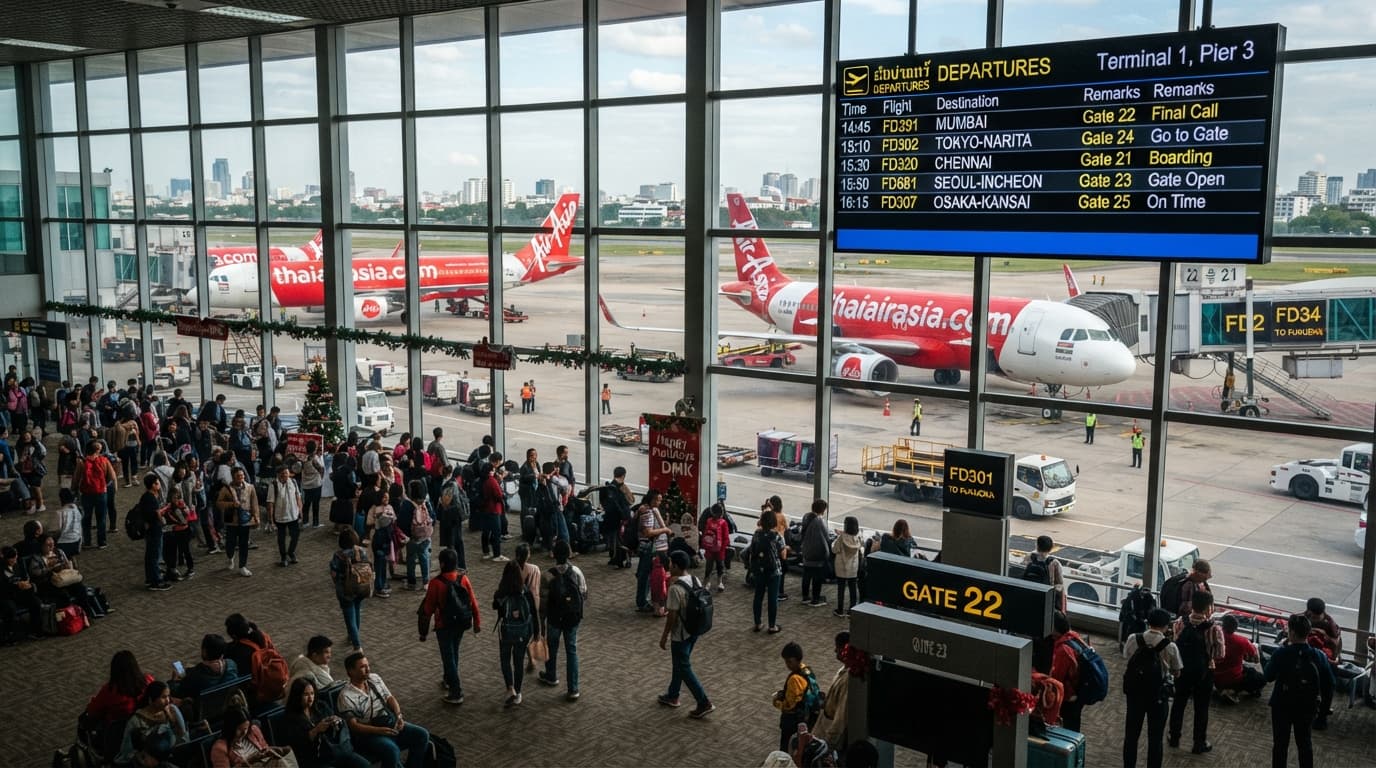
New Thai AirAsia Routes for December Travel from Bangkok
Thai AirAsia is adding new routes and more flights from Don Mueang this December. See which Japan, India and ASEAN citie...

Thai Airways' Skytrax Ranking Returns to Global Top 20
Thai Airways' Skytrax ranking rose from 29th to 20th in 2026. See how Thailand's airlines performed and what the results...

Singapore Changi Airport Wins World's Best Award Again
Discover why Singapore Changi Airport claimed the World Airport of the Year title for 2026, plus top dining and immigrat...
Share this post
AsiaBuddy Team
Local experts helping travelers explore Southeast Asia with confidence — trusted guides, curated tours, and real destination knowledge.