Thailand Customs Allowance: What Travelers Can Bring
Thailand's customs allowance covers personal items, alcohol, tobacco, food, medicine and restricted goods. Learn when to declare items at the airport.
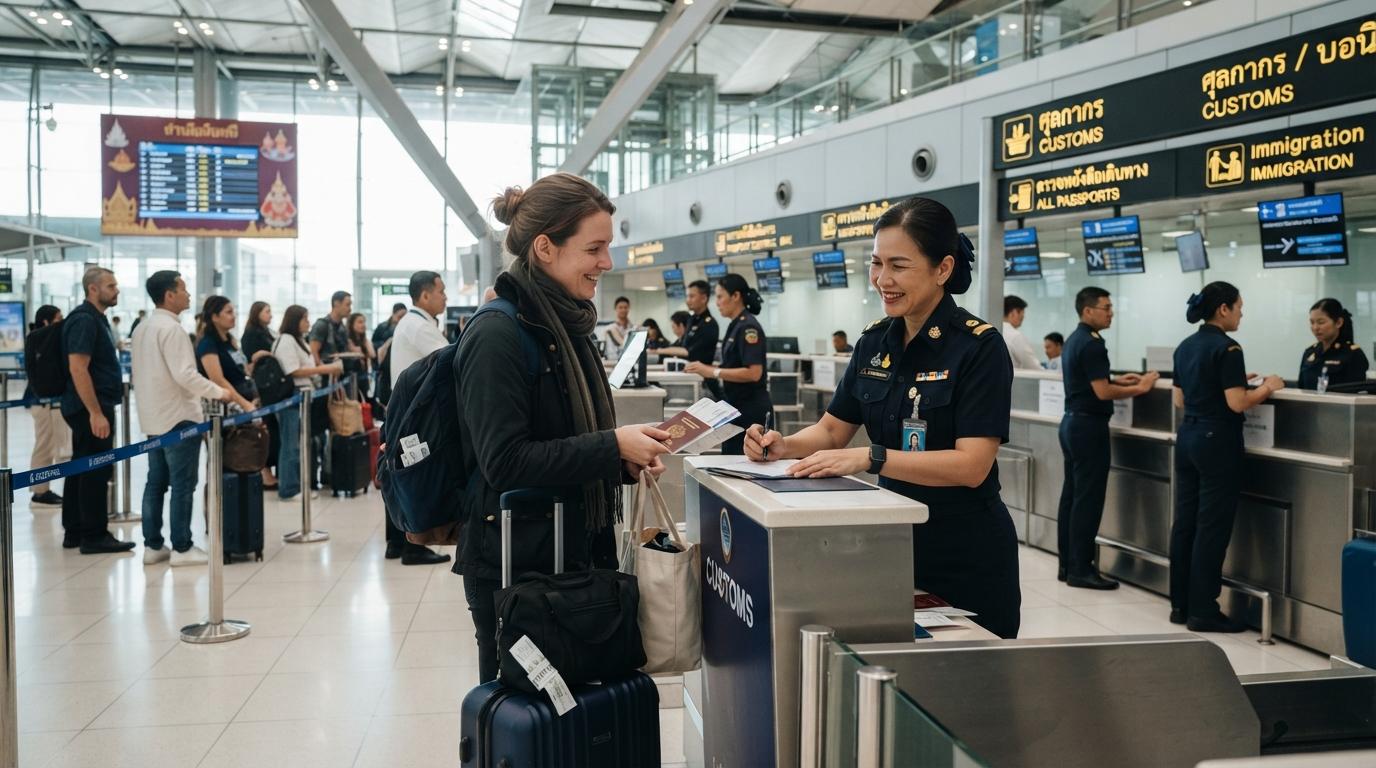
Thailand is the subject of this guide because customs rules apply when you enter the country by air. Thailand's customs allowance covers ordinary personal belongings, but value, quantity, product type and intended use all matter.
Explore Thailand Tours
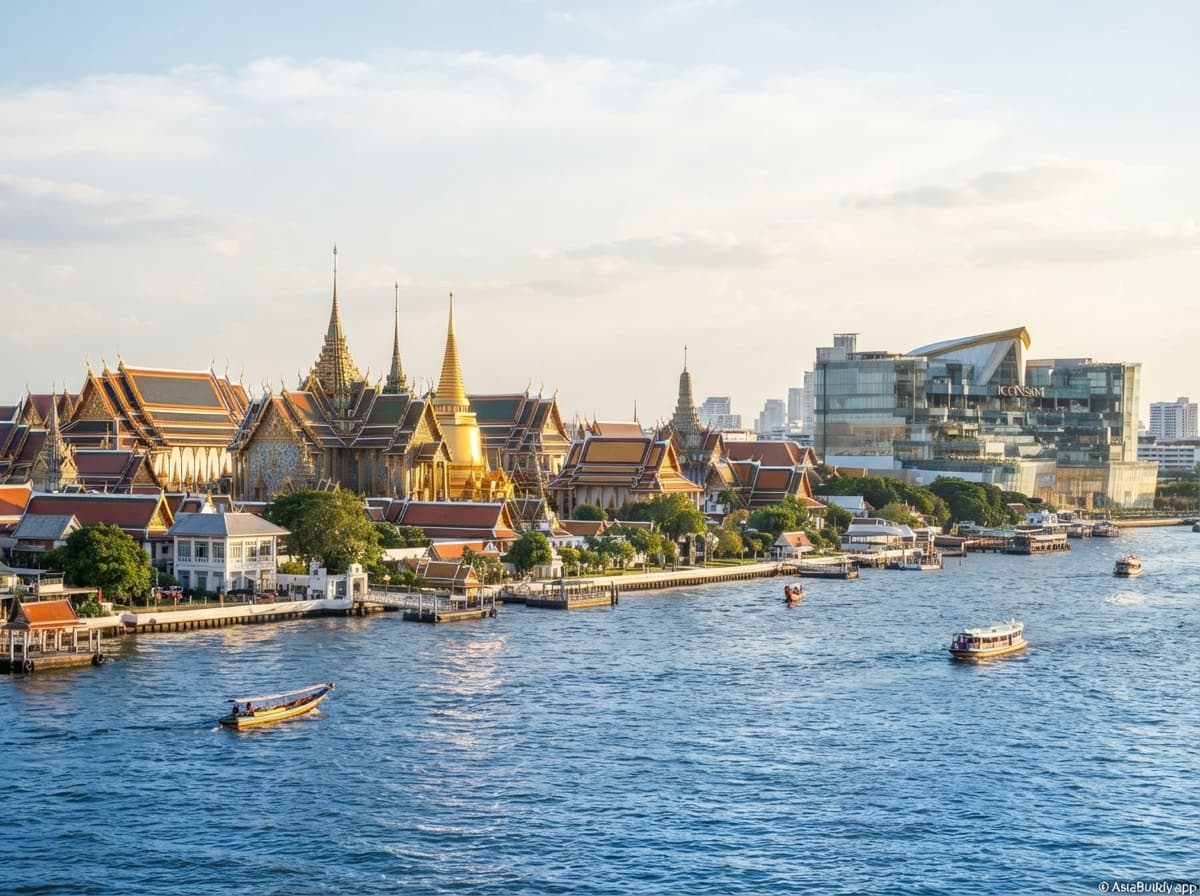

The rules below are based on the supplied guidance for international travelers arriving in Thailand. Land and sea procedures can differ, so check the current requirement for your route and any controlled item before departure.
Thailand's Customs Allowance Explained
![Traveler presenting luggage at a Thailand airport customs counter]
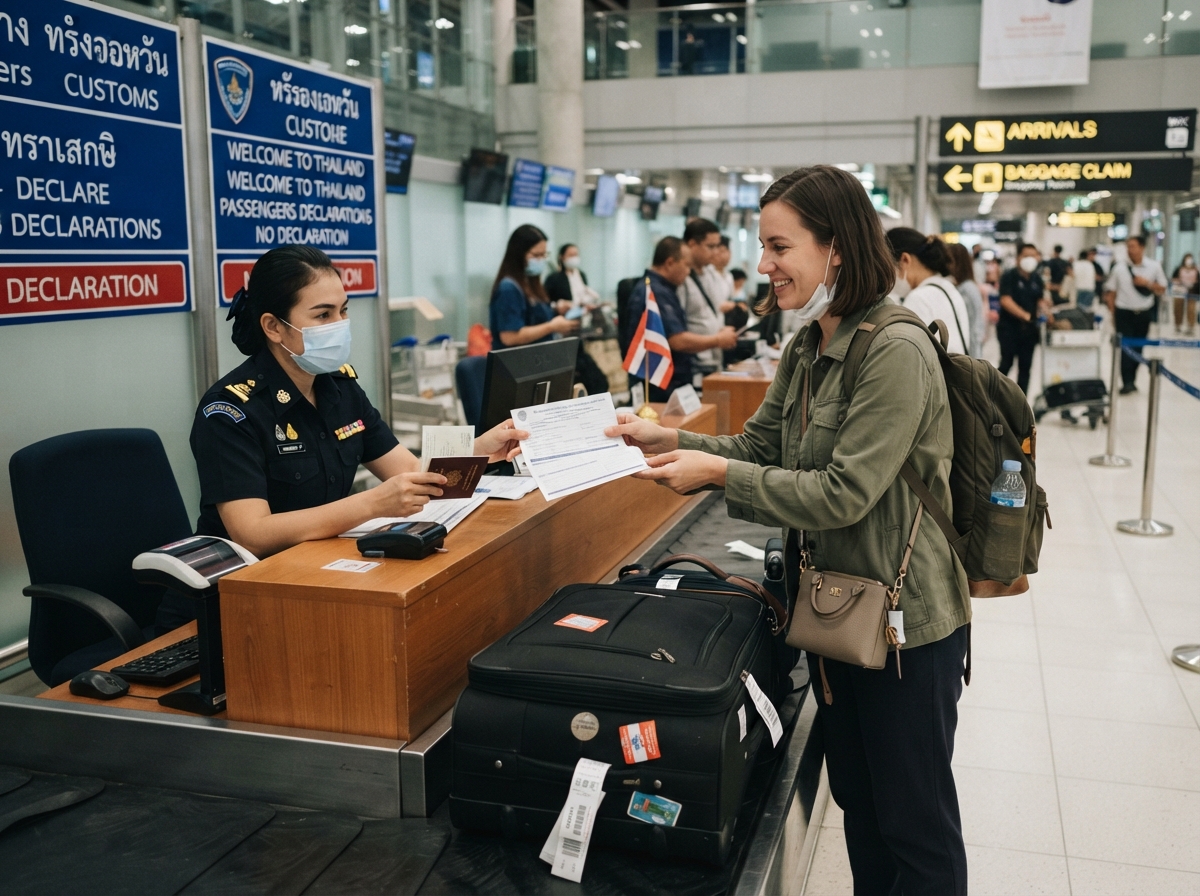
Thailand's customs allowance normally covers personal belongings for personal or professional use when the quantity is reasonable for 1 traveler, the total value does not exceed 20,000 THB, the goods are not for commercial sale and no prohibited or restricted rule applies. This allowance does not make a controlled product legal.
Quick answer: Thailand's customs allowance generally covers personal belongings worth up to 20,000 THB when the goods are for personal use, are not for sale, and are not prohibited or restricted. Alcohol, tobacco, food, medicines and other controlled categories carry additional limits.
For current customs guidance, review the Thai Customs Department before you fly.
What You Can Bring Duty Free
![Personal luggage showing clothing toiletries camera and laptop]
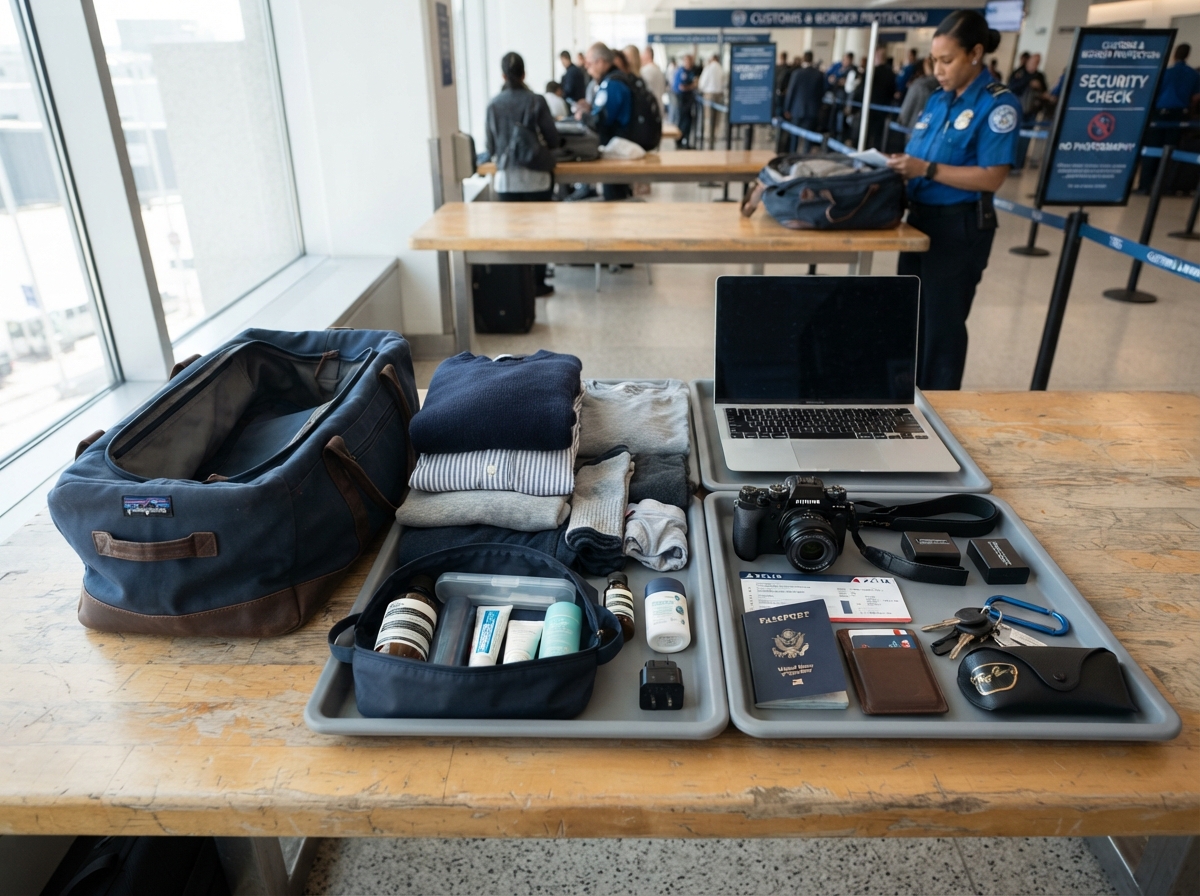
Ordinary personal belongings may enter Thailand without customs duty when they are reasonable for the trip and meet the stated value and use conditions. Examples include clothing, shoes, toiletries, cameras, normal travel equipment, 1 laptop, tablets, mobile phones and reasonable quantities of personal sports equipment.
The 20,000 THB limit does not automatically cover goods that another Thai authority controls. A permit or additional document may still be required for a restricted product, even when its value is below the allowance.
Alcohol and tobacco limits
The usual duty-free limits for 1 traveler are:
- •Cigarettes: Up to 200 cigarettes.
- •Tobacco products: Up to 250 grams in total for tobacco, cigars or combined tobacco products.
- •Alcoholic beverages: Up to 1 litre.
The tobacco guidance should be read as a combined limit. Do not assume that 200 cigarettes plus 250 grams of other tobacco is permitted. If you carry more than the permitted cigarette, tobacco or alcohol amount, surrender the excess in the box provided by Customs or follow the officer's instructions.
Green Channel or Red Channel
After collecting your baggage at a Thailand airport, you normally choose the green or red customs channel.
Use the green channel only when you have no dutiable, prohibited or restricted goods and all items clearly fall within the duty-free allowance. Customs officers may still inspect your luggage after you choose this channel.
Use the red channel when goods exceed the allowance, quantities look commercial, duty or tax may apply, a permit may be needed, or you are unsure about an item's status or value. Show your passport and available receipts or documents. Customs may inspect the baggage, classify the goods, calculate the charge and issue a receipt after payment.
Thailand airport guidance states that non-commercial personal belongings valued at no more than 200,000 THB may be processed at the red channel, where officers calculate the applicable duty and tax. Goods outside that procedure may need a formal import declaration through the appropriate Customs division.
Keep receipts for expensive purchases, do not hide goods and do not give false information to Customs. Several identical products may appear intended for resale even when their total value is below 20,000 THB.
Prohibited and Restricted Goods
![Customs warning sign showing prohibited electronic cigarettes and vape products]
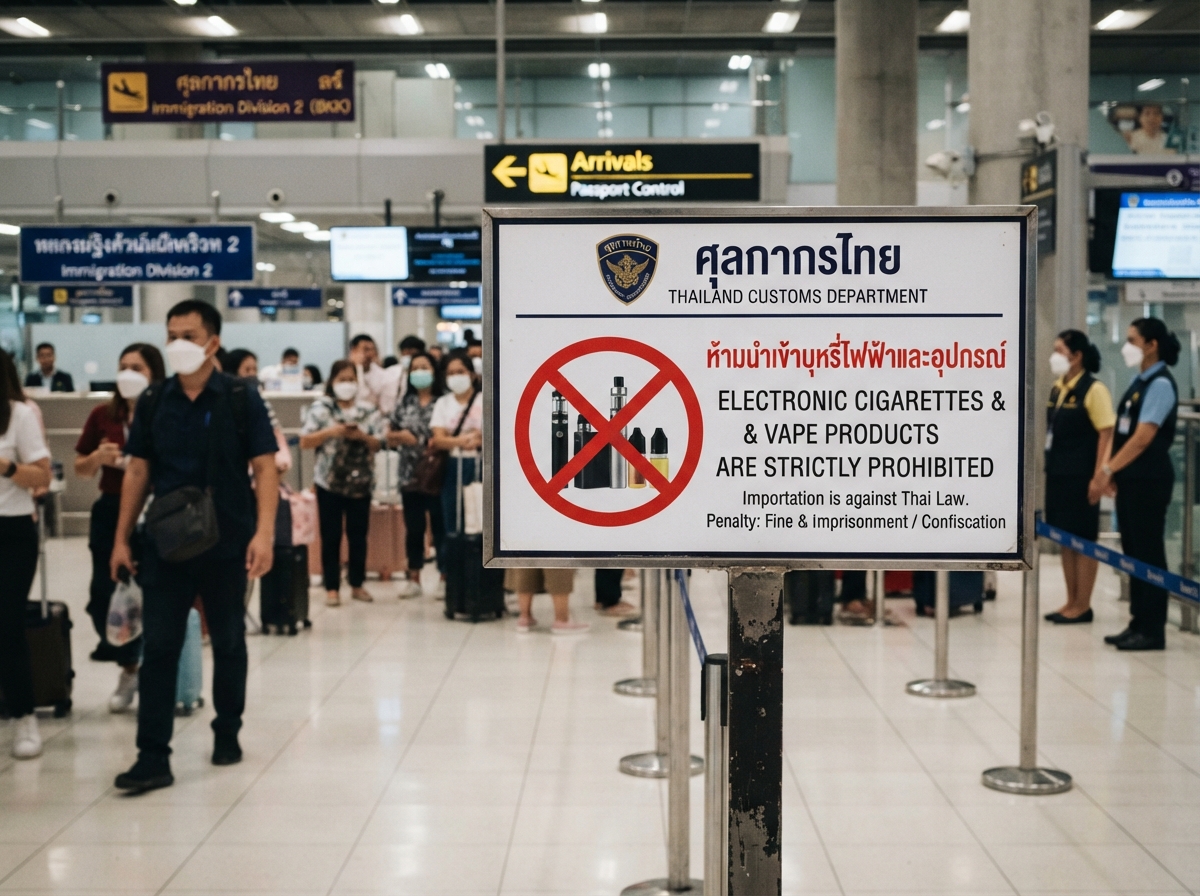
Prohibited goods cannot legally be imported into Thailand. Examples in the supplied guidance include narcotics and illegal drugs, pornographic materials, counterfeit banknotes and coins, counterfeit trademark goods, pirated products, other intellectual-property-infringing goods, and protected wildlife or species regulated under CITES.
Electronic cigarettes, vape devices, vape liquids and electronic shisha products are also prohibited imports in Thailand. This rule applies separately from the allowance for traditional cigarettes. Do not pack a vape in checked baggage, hand luggage or on your person.
Restricted goods are not always banned, but they may require a licence, permission or supporting documents from the responsible Thai authority. Examples include Buddha images and religious artifacts, antiques, archaeological objects, firearms, ammunition, explosives, weapon-like objects, live animals, animal remains, plants, seeds, flowers, food, medicines, cosmetics, supplements, radio equipment and some telecommunications devices.
Buddha images, antiques and archaeological objects may require permission from Thailand's Fine Arts Department, especially when they are old, valuable, large or intended for import or export. Plants, seeds, fresh fruit, vegetables, dried flowers, plant cuttings, soil and similar growing materials may require approval from Thailand's Department of Agriculture.
Food, Cosmetics and Medicines
![Clearly labelled packaged food prepared for Thailand travel]
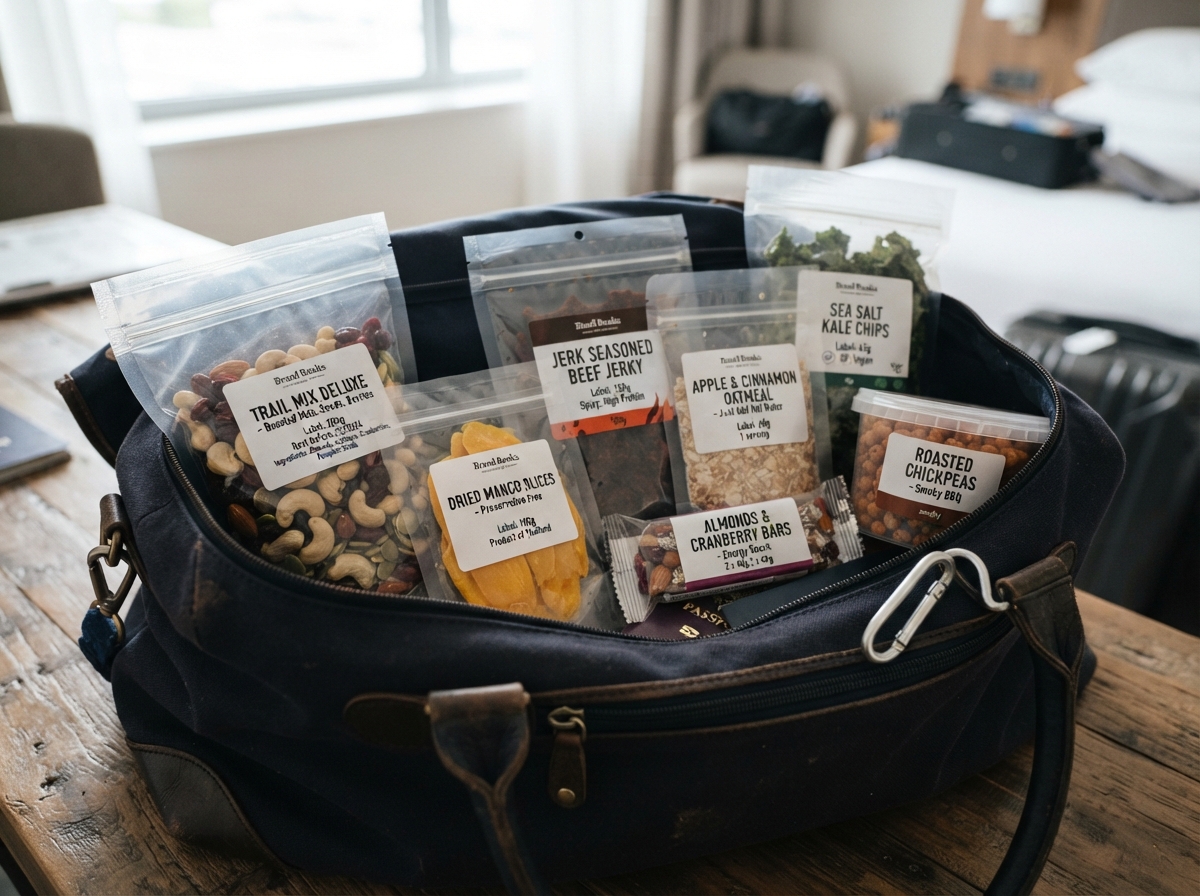
Food is not automatically covered by the general 20,000 THB personal-belongings allowance. Thai Food and Drug Administration requirements also apply, and food must be for personal use rather than sale.
The supplied FDA guidance lists these personal-use quantities:
- •Milk and dairy products: Up to 2.5 kilograms or litres.
- •Pastries, desserts and snacks: Up to 5 kilograms.
- •Coffee and instant coffee drinks: Up to 2.5 kilograms.
- •Tea and herbal tea: Up to 1 kilogram.
- •Nuts and dried cereals: Up to 5 kilograms.
- •Honey, sugar and liquid sweeteners: Up to 5 kilograms or litres.
- •Non-alcoholic drinks and fruit juice: Up to 5 kilograms or litres.
- •Baby food and medical food: Up to 10 kilograms or litres.
- •Meat and processed meat products: Up to 5 kilograms.
- •Fresh, processed or canned fruit and vegetables: Up to 5 kilograms.
- •Dried plants, vegetables and fruit: Up to 2.5 kilograms.
- •Noodles and instant noodles: Up to 5 kilograms.
- •Cooking oil: Up to 5 kilograms.
- •Dried spices: Up to 500 grams.
- •Fish maw, shark fin and similar dry animal products: Up to 500 grams.
- •Sauces and liquid condiments: Up to 5 kilograms or litres.
The total personal-use food amount must not exceed 10 kilograms or litres when the applicable rules are considered together. Take extra care with meat, processed meat, fresh produce, animal products, homemade food, food without labels, identical packaged items and products containing cannabis or hemp. Food containing cannabis or hemp cannot be imported under the supplied FDA guidance.
Ready-made cosmetics for personal use may be limited to 3 pieces of each type and 15 pieces in total. Cosmetics containing cannabis or hemp extracts are not allowed. Large quantities of identical products may look commercial.
Ordinary medicines may generally be carried for personal treatment for up to 30 days under the supplied personal-use guidance. Keep medicine in its original labelled packaging and carry the prescription or a doctor's letter, particularly when the medicine is controlled or may be restricted in Thailand.
For certain psychotropic medicines, a supply of up to 30 days may be permitted with a doctor's certificate or prescription. A supply for 31 to 90 days requires a Thai FDA Form IC-2 permit obtained before travel, and the supplied guidance advises applying at least 15 days before travel. Type I psychotropic substances are not allowed under that personal-use procedure, while narcotic medicines require approval from Thailand's FDA Narcotics Division.
Herbal products may be allowed for personal use for up to 90 days when legal and clearly identifiable as personal-use products. They must not contain cannabis or hemp or ingredients prohibited under Thai public-health rules. Some products may require Form 15 or other documents.
Food supplements are subject to a maximum of 15 items, with each product quantity equivalent to 3 months of consumption.
Medical devices may require product information, manufacturer details, technical information, a letter explaining personal medical need and a medical certificate. Requirements depend on the device type.
Practical Arrival Checklist
Before flying to Thailand, check every item against the current rule for its product category.
- •Check whether the item is prohibited.
- •Check whether the item is restricted or needs a permit.
- •Count cigarettes and tobacco carefully.
- •Keep alcohol at or below 1 litre if you want to remain within the usual duty-free limit.
- •Keep personal belongings at a reasonable quantity.
- •Check the value of new goods and keep receipts for expensive items.
- •Keep medicines in original labelled packaging.
- •Carry prescriptions, medical letters and any required Thai FDA approval.
- •Do not bring electronic cigarettes or vape products.
- •Check requirements before carrying fresh food, meat, plants, seeds or animal products.
- •Use the red channel if you are unsure.
For more Thailand travel information, browse AsiaBuddy's Thailand travel blog and review Thailand transport tickets when planning onward travel after arrival.
Have a question about your trip? Contact AsiaBuddy.
Frequently Asked Questions
Is Thailand's customs allowance 20,000 THB for every item?
No. The 20,000 THB figure refers to the total value of qualifying personal belongings, not a separate allowance for each item. The goods must also be reasonable, non-commercial and not prohibited or restricted.
How much alcohol can you bring into Thailand duty free?
The usual duty-free alcohol limit is 1 litre per traveler. Amounts above the limit should be surrendered or declared according to Customs instructions.
Are vapes allowed in Thailand?
No. Electronic cigarettes, vape devices, vape liquids and electronic shisha products are prohibited imports under the supplied guidance. Personal use does not create an exception.
What should you do if you are unsure about an item?
Use the red channel or ask a Customs officer before leaving the inspection area. Keep receipts, prescriptions, permits and other supporting documents available.
More from Thailand Travel
Thailand Year-End Flights 2026: What TAT Support Means
Thailand is using emergency funds to support year-end flights. See what the TAT plan means for fares, festival trips and...
Lamphun Lantern Festival 2026 Dates and Visit Guide
The Lamphun lantern festival 2026 runs from October 1 to November 30. Get the key dates, parade day, temple etiquette an...
Siam Amazing Park Reopening in Bangkok on November 19
Siam Amazing Park is reopening in Bangkok on November 19, 2026. See which areas open, which rides stay closed, and what...
Share this post
AsiaBuddy Team
Local experts helping travelers explore Southeast Asia with confidence — trusted guides, curated tours, and real destination knowledge.