Bangkok Tourist Scams: What Travellers Must Avoid
Learn about common Bangkok tourist scams, from temple closed tricks and tuk-tuk detours to gem fraud and taxi meter tricks, and how to stay safe.
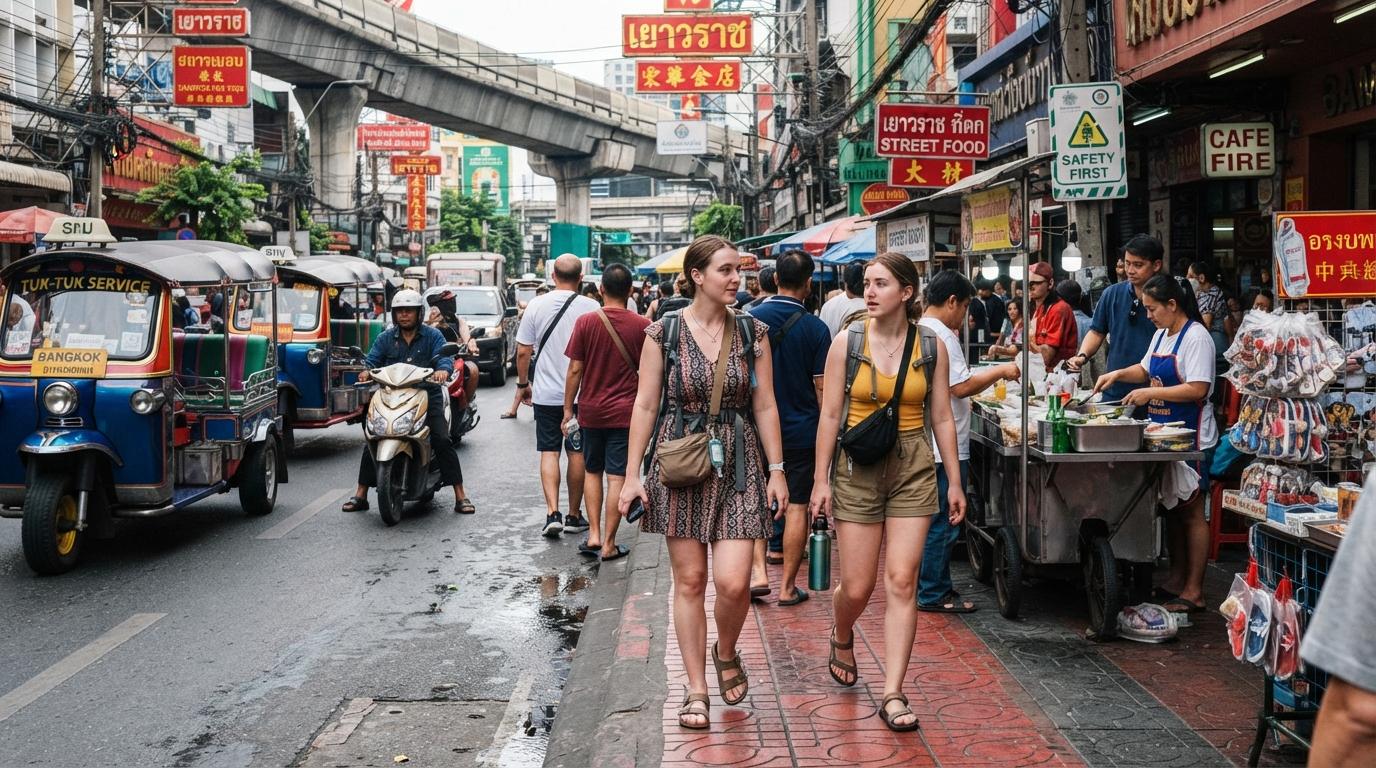
Bangkok is a welcoming city, but visitors can face Bangkok tourist scams in busy tourist areas and transport hubs. Most scams create pressure or false urgency so travelers pay more or buy items they do not want. The U.S. Mission in Thailand warns that scams concentrate in major destinations, and some travelers have lost significant money.
Explore Thailand Tours

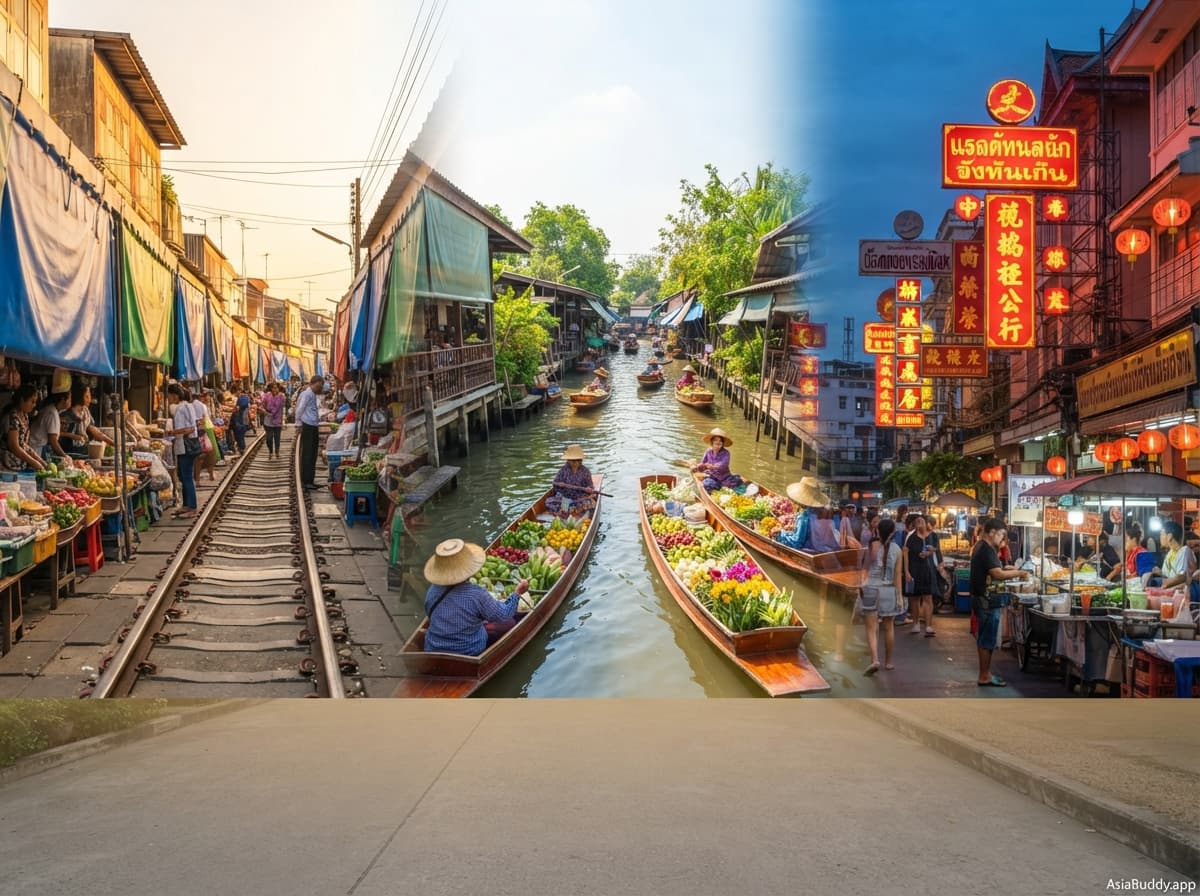

What Are the Most Common Bangkok Tourist Scams?
The most common Bangkok tourist scams include the temple closed trick, tuk-tuk detours, gem and jewelry fraud, taxi meter refusal, fake tours, overcharging, bar scams, pickpocketing, ATM skimming, rental damage claims, fake charity requests and job scams. Each tactic uses urgency, false authority or friendship to push a quick decision.
How Scammers Create Pressure in Bangkok
Many Bangkok scams use the same psychological methods to push travelers into a fast decision.
- •Creating urgency: this offer is available only today
- •Creating fear: the temple is closed
- •Creating authority: this is a government shop
- •Offering an unusually low price or a guaranteed profit
A good general rule is to stop, check and decide later. A legitimate business allows time to understand prices and conditions.
The Temple Closed Scam and How to Avoid It
![Tourists approaching the official Grand Palace entrance with uniformed staff nearby]
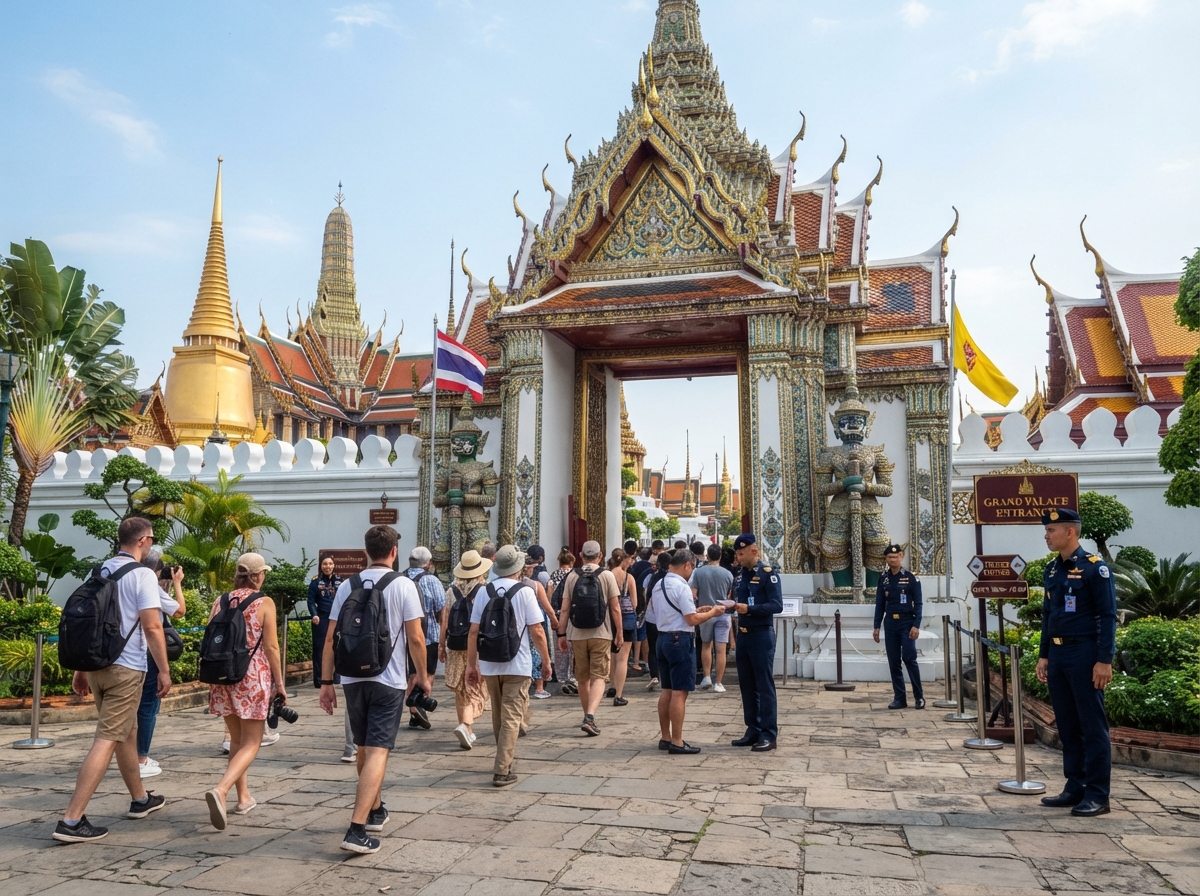
A stranger near a famous temple or palace claims the attraction is closed for a ceremony, event or cleaning, then offers to take you elsewhere, which usually ends at a gem or souvenir shop. The U.S. Mission in Thailand specifically warns about people claiming a tourist site is closed and offering to show another place.
- •Do not trust a stranger's claim about opening hours
- •Walk to the official entrance and ask staff
- •Do not follow the stranger to another shop
A stranger does not control opening hours of the Grand Palace, Wat Pho, Wat Arun or any official attraction. Always check at the entrance itself.
Tuk-tuk Detour Scams and Transport Tricks
![Tuk-tuk driver negotiating a fare with tourists on a Bangkok street]
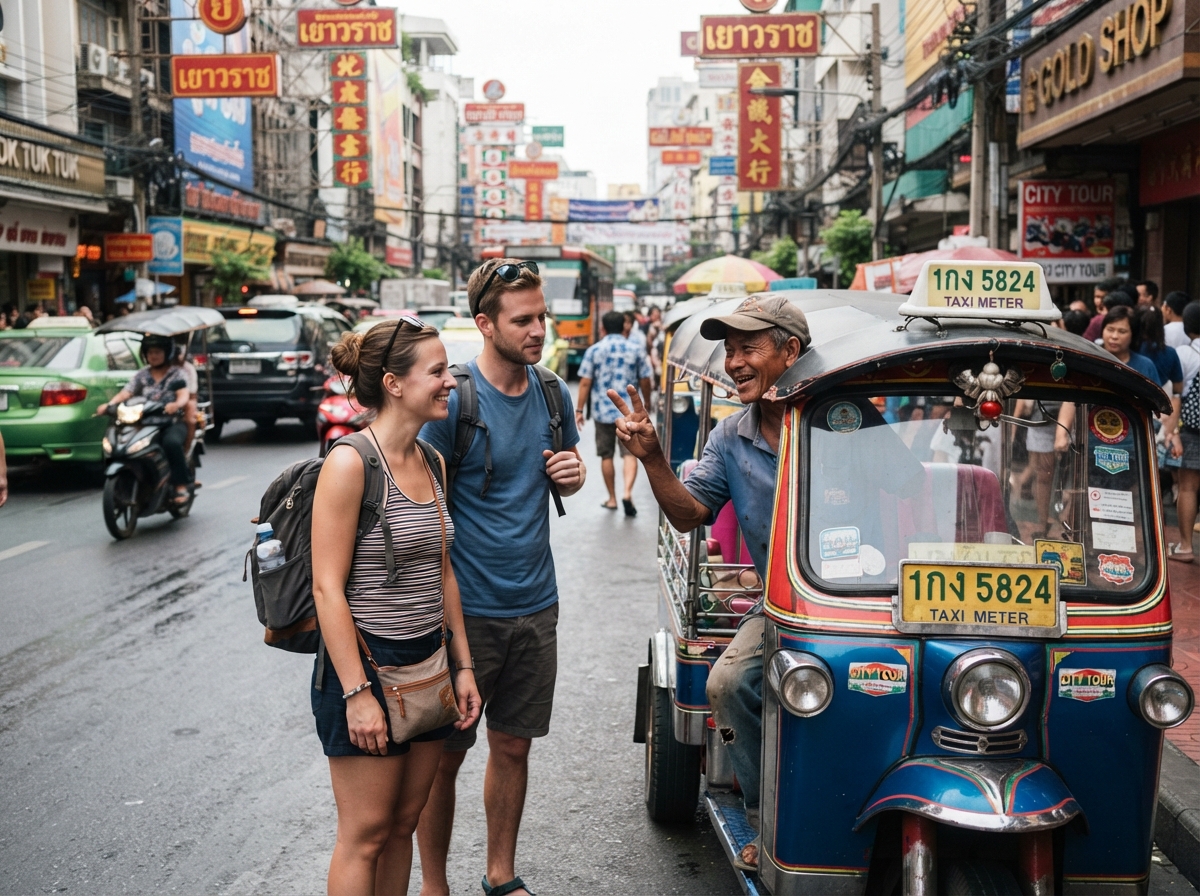
A tuk-tuk driver offers a very cheap ride, then says the low fare depends on a stop at a gem or tailor shop, since the shop pays the driver a commission. The U.S. Mission in Thailand warns that drivers may take tourists to selected shops instead of their requested destination.
- •State the exact destination before entering and refuse shop stops
- •Agree on the full fare before the journey begins
- •Use BTS Skytrain, MRT, an official taxi or a ride-hailing service when practical
A very cheap ride may cost more in wasted hours. For more, read about Bangkok airport taxi scams.
Gem and Jewellery Scams and False Promises
A person offers a special deal on gems or jewellery, with claims of government approval or guaranteed resale profit, then takes you to a shop with a tuk-tuk driver or guide. The U.S. Mission in Thailand states neither the Thai government nor the royal family owns or sponsors jewellery shops.
- •Never buy gems on a stranger's recommendation
- •Ask for an independent appraisal and check the refund policy
- •Keep the receipt and payment records
If you have already bought the item, photograph the shop and product, contact your card company, and call Tourist Police on 1155.
Taxi Meter Scams and Fare Tricks
Some taxi drivers refuse to use the meter and demand a fixed price much higher than the normal fare, or claim the meter is broken or the destination too far.
- •Ask "Meter, please?" before entering, and if refused, choose another taxi
- •Use an official taxi queue at airports or hotels
- •Show the exact destination on your phone
The U.S. Mission in Thailand recommends public transport and metered taxis to reduce transport-related scam risk.
Fake Tour and Bus Services
A cheap city tour or day trip may not deliver what was promised: buses skip advertised attractions or the bus does not return travellers to their hotel. The U.S. Mission in Thailand warns that less reputable tour buses may not visit requested locations.
- •Book through a reputable company with recent independent reviews
- •Confirm the complete itinerary in writing
- •Avoid paying large amounts in cash to unknown persons
Wrong Change and Overcharging Tricks
Sellers may give incorrect change by pretending you paid with a smaller banknote or counting quickly. The U.S. Mission in Thailand warns travellers to know Thai baht values and check change received.
- •Know the banknote value and count your change before leaving
- •Ask for a receipt when possible
Overcharging happens when a seller does not clearly display the price, common with street food, drinks and tuk-tuk rides.
- •Ask for the total price before ordering
- •Ask for an itemised bill and pay only the agreed amount
Bar and Nightlife Scams
A stranger invites you to a bar promising cheap drinks or free entry, then you may be charged for very expensive drinks or unexpected entry fees. The UK Foreign, Commonwealth and Development Office warns that drink spiking can occur in tourist areas.
- •Do not follow strangers to unknown bars
- •Keep your drinks in sight and use licensed venues
- •Arrange safe transport before drinking
Pickpocketing and Bag-snatching Risks
Pickpocketing is common in crowded markets, BTS and MRT stations and night markets, where thieves may work in groups to create distractions. The UK travel advice warns about bag-snatchers, especially those using motorcycles.
- •Carry your bag across your body, in front of you in crowds
- •Avoid displaying expensive jewellery or large amounts of cash
For general safety planning, see Bangkok travel planning tips.
ATM and Bank Card Fraud
Criminals may use card-skimming devices or try to observe your PIN at an ATM. The UK travel advice recommends using an ATM inside a bank and protecting your PIN.
- •Use ATMs inside banks or shopping centres
- •Keep your card in sight during payments
- •Contact your bank immediately if the ATM keeps your card
Scooter and Vehicle Rental Damage Claims
Scooter scams are more common in beach destinations like Pattaya and Phuket, but travellers should understand the risk anywhere in Thailand. A rental company may claim the vehicle was damaged and keep your passport or deposit until you pay. The U.S. Mission in Thailand warns that some rental businesses may demand a passport as a deposit and later claim damage occurred.
- •Do not leave your passport as a deposit
- •Photograph the vehicle and any existing scratches before using it
- •Read the rental agreement and check the correct licence requirement
Fake Charity and Online Message Scams
A person may ask for money by describing an emotional emergency, or send a fake message appearing to come from a hotel, airline or embassy asking for payment or a verification code. The U.S. Mission in Thailand warns about fake charities and people who quickly form friendships with foreigners before asking for money.
- •Do not send money to a stranger or wire money under pressure
- •Do not share passport details, banking information or verification codes
- •Contact the company using its official website when unsure
Job Scams Connected to Thailand
Criminal groups advertise high-paying jobs in Thailand or nearby countries, and victims may be transported across borders with passports confiscated. The UK Foreign, Commonwealth and Development Office warns that some people travelled to Thailand for attractive job offers and were then illegally transported to neighbouring countries.
- •A salary much higher than normal, with no proper interview
- •Pressure to travel quickly or surrender your passport
What to Do After a Scam
![Tourist Police officer in uniform at a booth in a busy Bangkok tourist area]
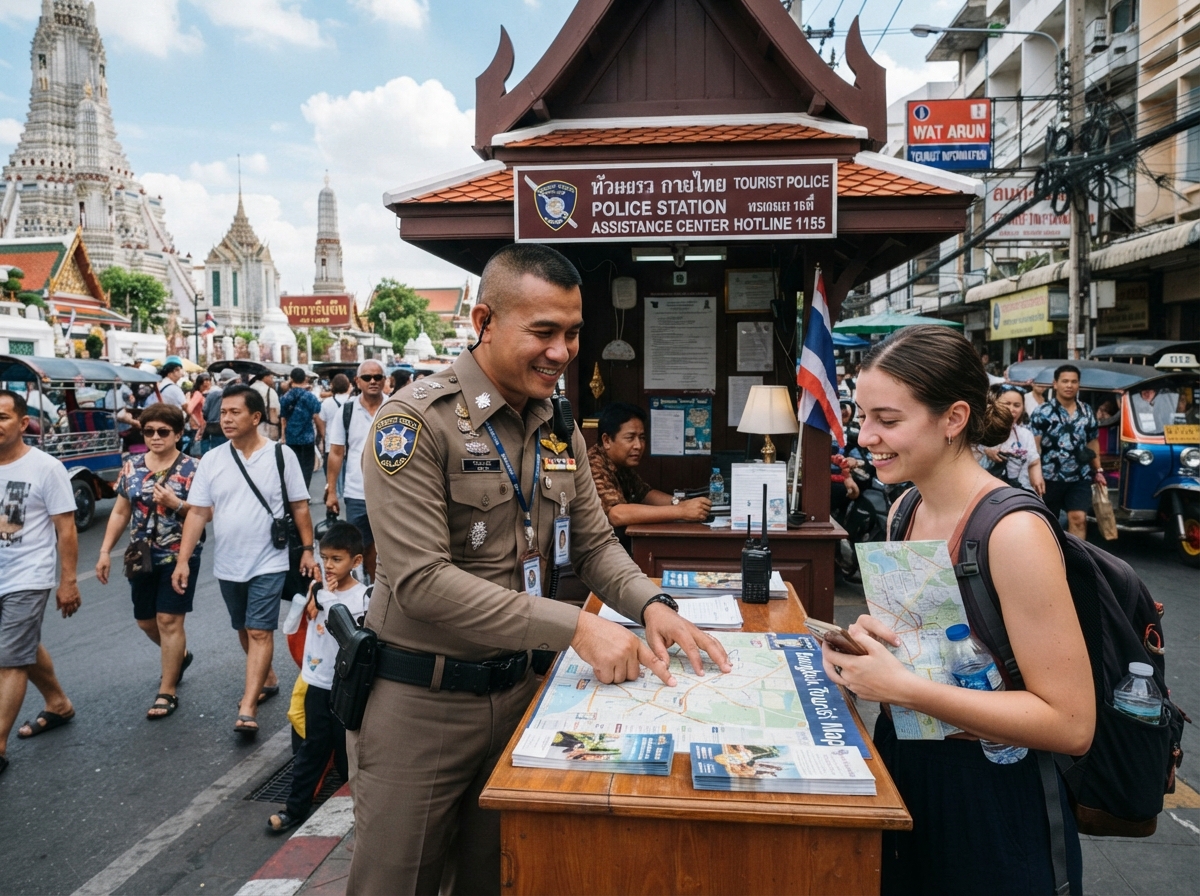
If you think you have been scammed, stop the transaction and leave the location if it is safe to do so.
- •Move to a hotel, shopping centre, bank or police station
- •Keep receipts, messages, photos and payment evidence
- •Call Tourist Police on 1155, or Royal Thai Police on 191 for urgent danger
The U.S. Mission in Thailand lists 1155 for Tourist Police and 191 for the Royal Thai Police. The UK travel advice also confirms 1155 and 191. For emergency contact details, see Thailand emergency numbers.
Short Phrases to End Unwanted Interactions
These simple phrases may help you end an unwanted interaction.
- •No, thank you
- •I will check at the official entrance
- •I will contact Tourist Police
Remain calm and move to a safe public place if the situation becomes threatening. For more first-timer mistakes to avoid, read Thailand travel mistakes first-timers make.
Have a question about your trip? Contact AsiaBuddy.
Frequently Asked Questions
What is the most common scam in Bangkok?
The temple closed scam and tuk-tuk detour scams are the most common. A stranger claims an attraction is closed and offers to take you elsewhere, usually ending at a gem or tailor shop.
How do I avoid taxi scams in Bangkok?
Always ask for the meter before entering. If the driver refuses, leave and choose another taxi. Use official taxi queues at airports and hotels, or a reputable ride-hailing app.
What should I do if I have been scammed?
Stop the transaction, leave the location safely, record all details, keep receipts and photos, contact your bank if you paid by card, and call Tourist Police on 1155 or Royal Thai Police on 191.
Are gem shops in Bangkok safe?
Never buy gems from a shop recommended by a stranger or tour guide. Neither the Thai government nor the royal family sponsors gem shops. Use a reputable retailer and ask for an independent appraisal.
Is pickpocketing common in Bangkok?
Pickpocketing is common in crowded tourist areas, markets, and BTS and MRT stations. Carry your bag across your body and avoid displaying expensive items or large amounts of cash.
More from Thailand Travel

Thailand Year-End Flights 2026: What TAT Support Means
Thailand is using emergency funds to support year-end flights. See what the TAT plan means for fares, festival trips and...

Lamphun Lantern Festival 2026 Dates and Visit Guide
The Lamphun lantern festival 2026 runs from October 1 to November 30. Get the key dates, parade day, temple etiquette an...

Siam Amazing Park Reopening in Bangkok on November 19
Siam Amazing Park is reopening in Bangkok on November 19, 2026. See which areas open, which rides stay closed, and what...
Share this post
AsiaBuddy Team
Local experts helping travelers explore Southeast Asia with confidence — trusted guides, curated tours, and real destination knowledge.